
Priming
Earlier exposure can change how quickly or easily related information is processed, but the effect depends on the cue, task and timing.
Public evidence overview
One checked source, with its limits.
This preview is not the complete evidence base. Use it as a question to investigate in your own product, not as a prediction of what an individual will do.
Priming Behavior: A Meta-Analysis of the Effects of Behavioral and Nonbehavioral Primes on Overt Behavioral Outcomes
Research-assisted source review
- What it supports
- The primary random-effects estimate was d = 0.37, with no clear difference between behavioural and nonbehavioural primes. Published effects were larger than unpublished effects, and sensitivity estimates varied under different selection-bias assumptions.
- Where it may not transfer
- Only three included reports were preregistered and 38% used a funneled awareness check. Most studies were short laboratory tasks, heterogeneity was substantial, and severe one-tailed selection assumptions produced estimates close to zero. The average cannot predict a specific product cue or user outcome.
See how sources and limitations are checked in our editorial method.
Member depth
Continue into the complete evidence and application.
Practitioner includes the complete checked source set, study context and practical takeaways for this ingredient. The public overview above remains available without upgrading.
Seen in real products
How teams put it to work.
Examples identified in our interface teardowns, linked back to the full product journey.

The introductory message prepares people for the kind of task or benefit that follows. It is a flow-level cue because its effect depends on whether the next screens match that expectation.
View Keep wellbeing and selling separate →
The introductory message prepares people for the kind of task or benefit that follows. It is a flow-level cue because its effect depends on whether the next screens match that expectation.
View Earn the membership prompt →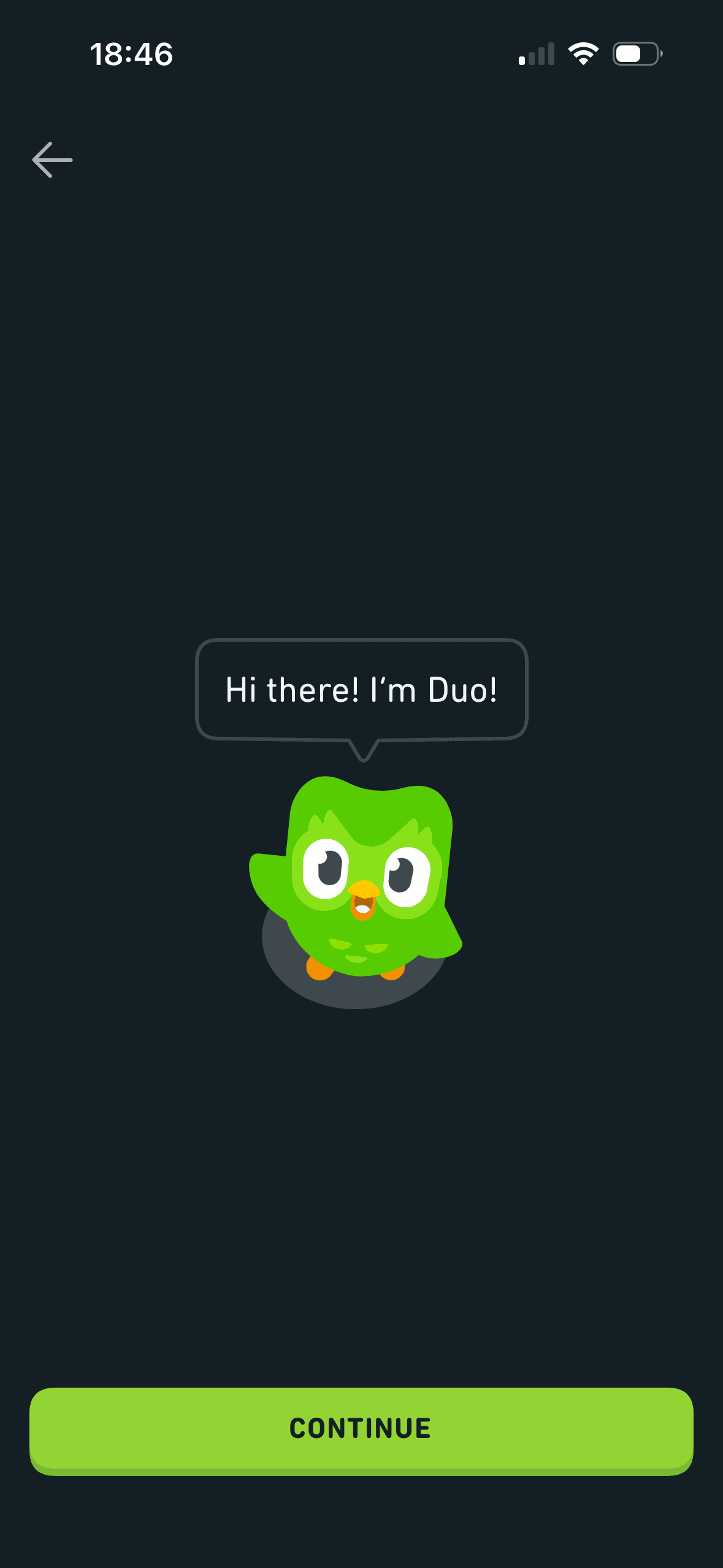
The introductory message prepares people for the kind of task or benefit that follows. It is a flow-level cue because its effect depends on whether the next screens match that expectation.
View Build momentum without pressure →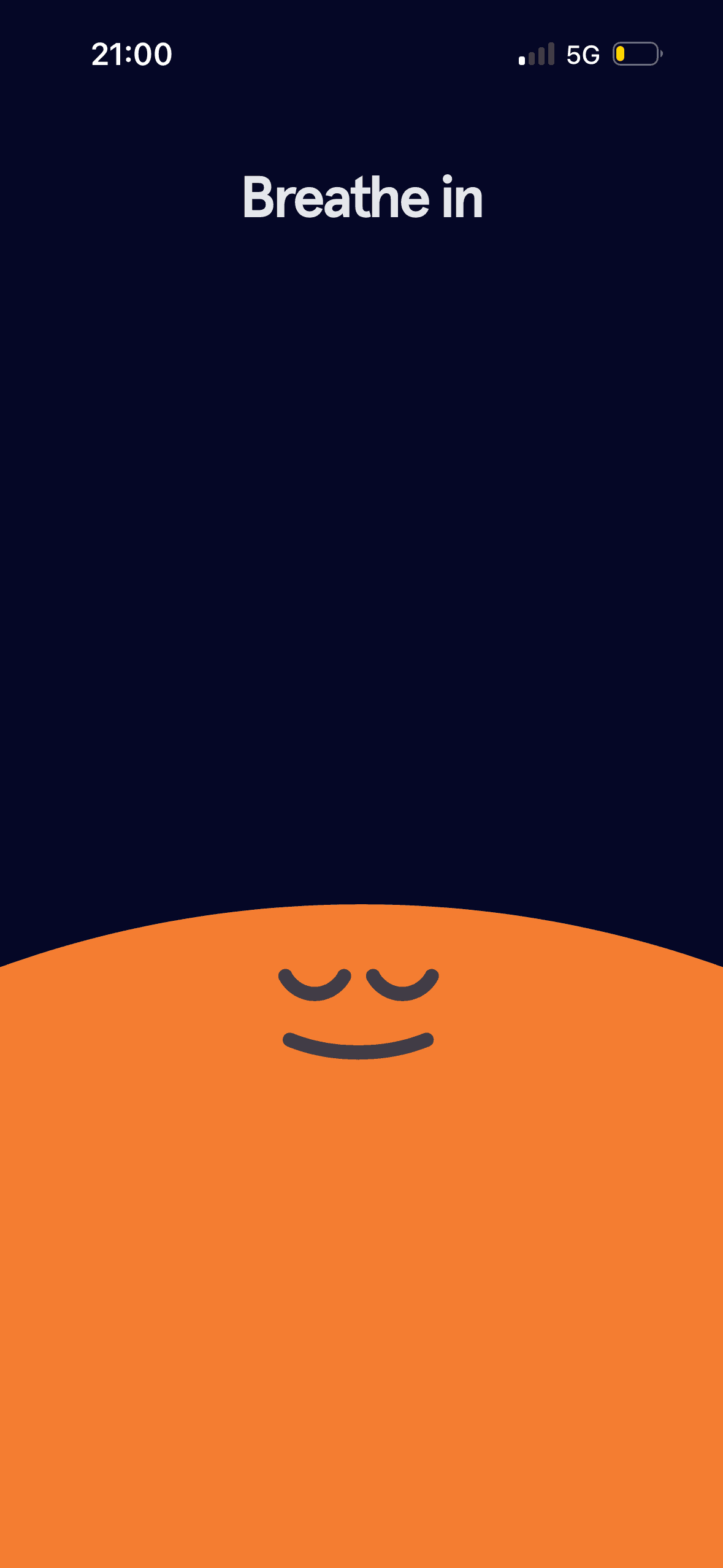
The introductory message prepares people for the kind of task or benefit that follows. It is a flow-level cue because its effect depends on whether the next screens match that expectation.
View Keep wellbeing and selling separate →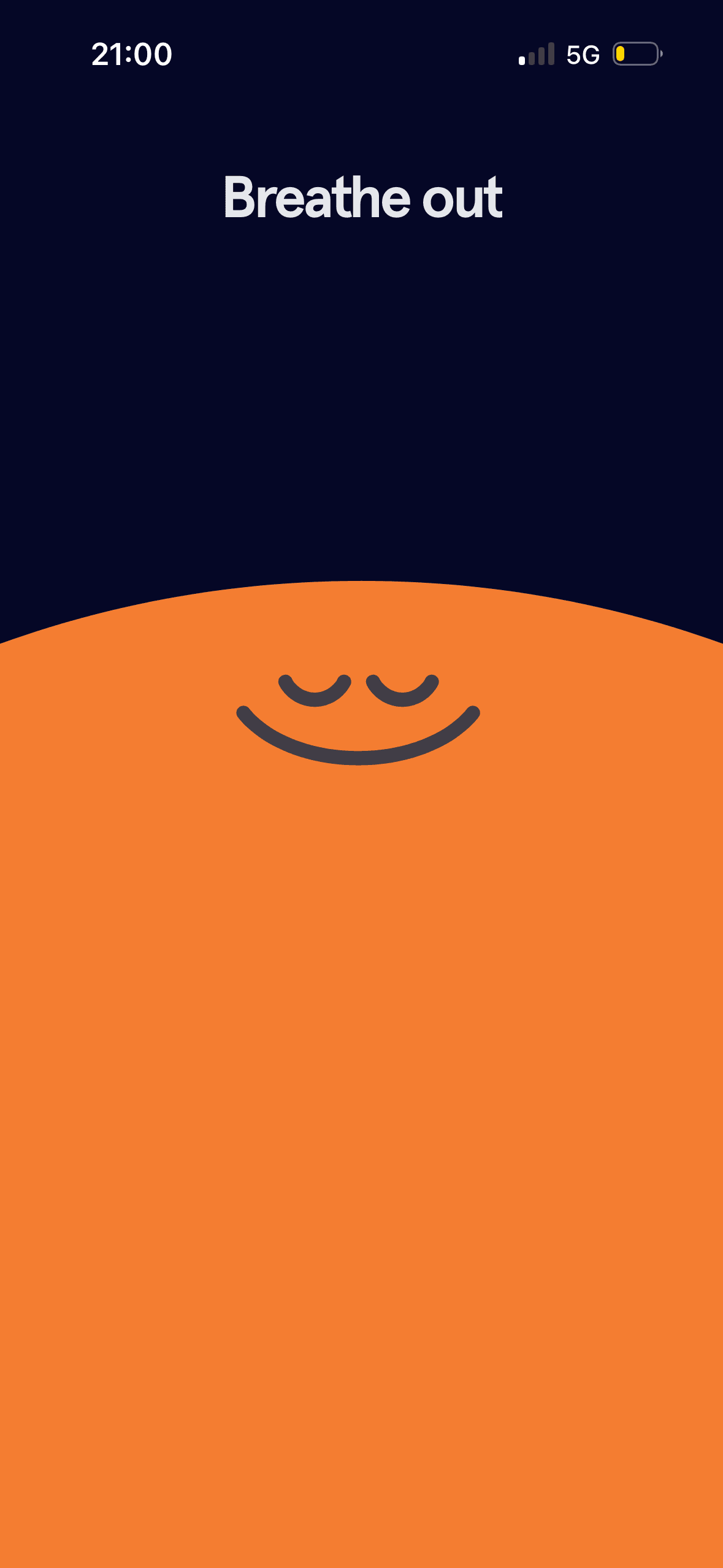
The introductory message prepares people for the kind of task or benefit that follows. It is a flow-level cue because its effect depends on whether the next screens match that expectation.
View Keep wellbeing and selling separate →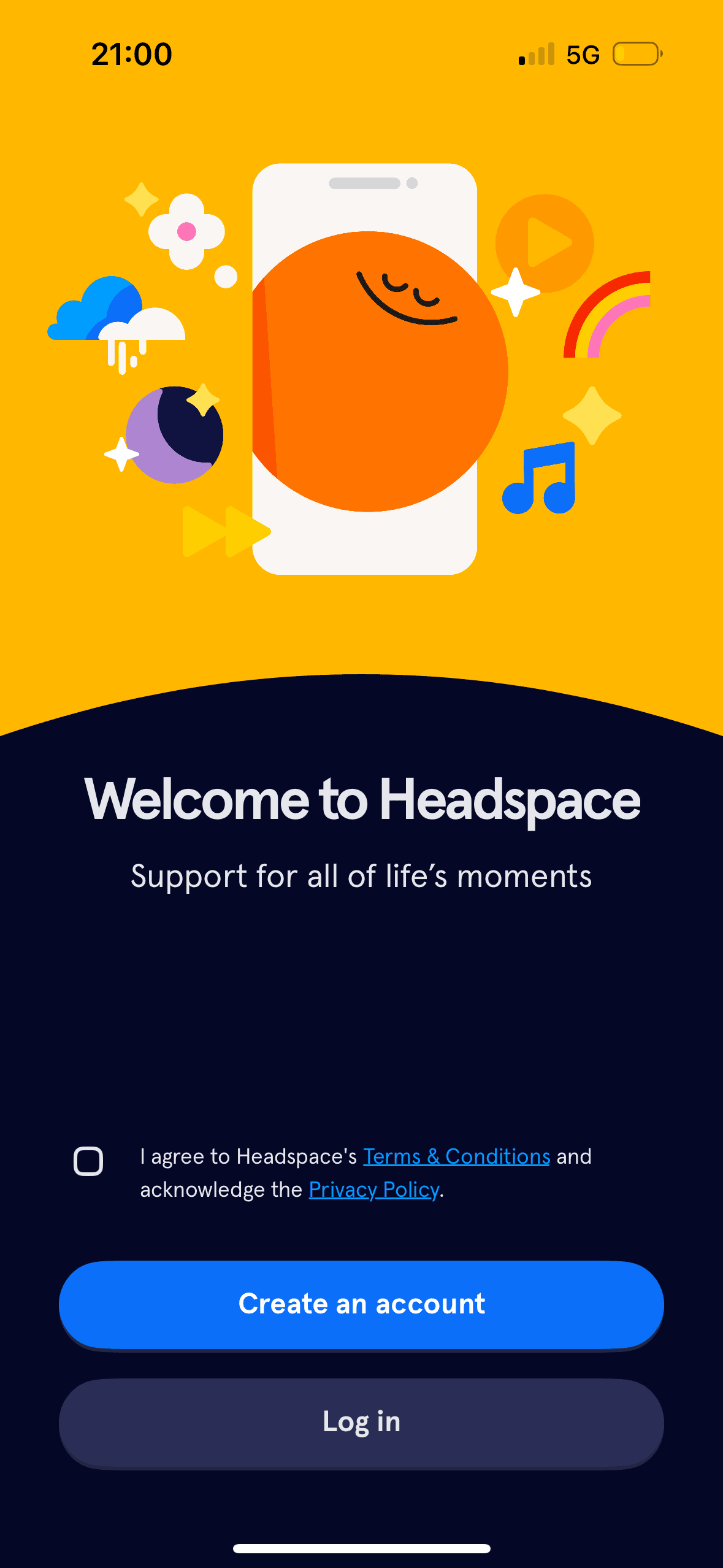
The introductory message prepares people for the kind of task or benefit that follows. It is a flow-level cue because its effect depends on whether the next screens match that expectation.
View Keep wellbeing and selling separate →