
Loss Aversion
A potential loss can receive more weight than an equivalent gain relative to a reference point, but the size and even presence of that difference depend on the task and measurement.
Public evidence overview
One checked source, with its limits.
This preview is not the complete evidence base. Use it as a question to investigate in your own product, not as a prediction of what an individual will do.
Loss aversion is not robust: A re-meta-analysis
Research-assisted source review
- What it supports
- Strong estimates remained when losses were smaller than gains or payoffs were ordered. With symmetric gains and losses presented without ordering, the coefficient was about 1.07 and was not significantly above equal weighting.
- Where it may not transfer
- This is a secondary analysis whose exclusions and moderator coding differ from the original meta-analysis. It concerns decisions under risk and does not prove that loss aversion is absent in every task, reference structure or population.
See how sources and limitations are checked in our editorial method.
Member depth
Continue into the complete evidence and application.
Practitioner includes the complete checked source set, study context and practical takeaways for this ingredient. The public overview above remains available without upgrading.
Seen in real products
How teams put it to work.
Examples identified in our interface teardowns, linked back to the full product journey.
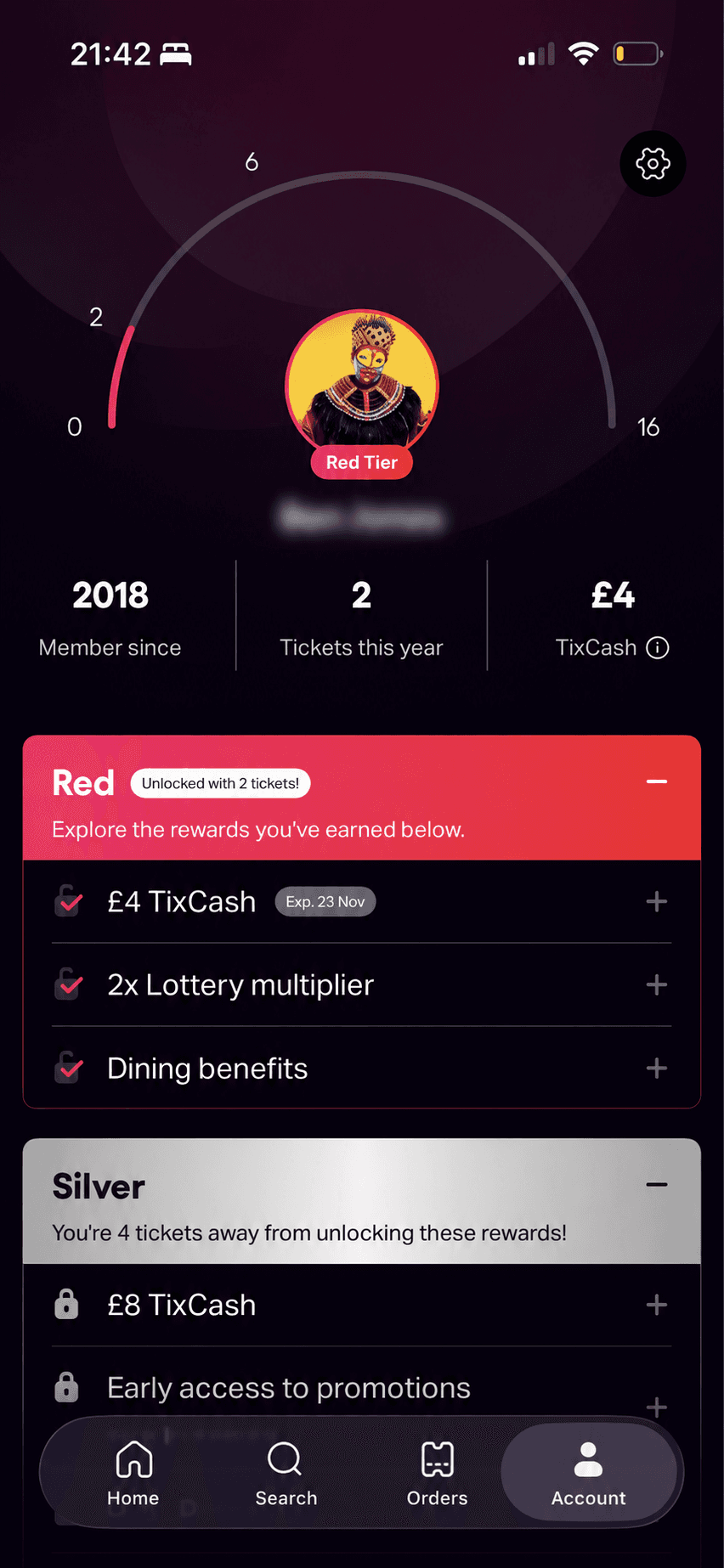
Unlocked rewards and a balance can make existing benefits feel owned and worth preserving. Expiry, qualification and downgrade rules need equal visibility.
View Bring people back without nagging →
The prospect of missing the item, price or access can carry more weight than an equivalent gain. A consequence-free way to leave or revisit the decision is needed.
View Make discovery easier to control →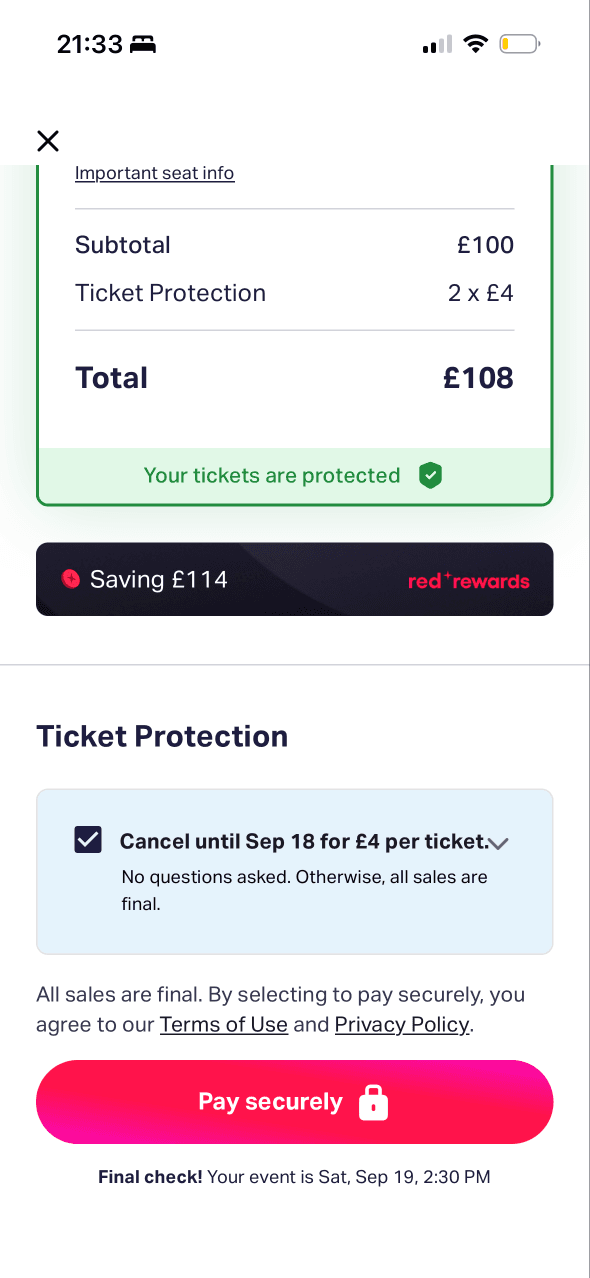
Your tickets are protected frames the selected add-on as preserving the booking, while the savings message reinforces the value people may feel they now stand to lose.
View Make seat choice feel safe →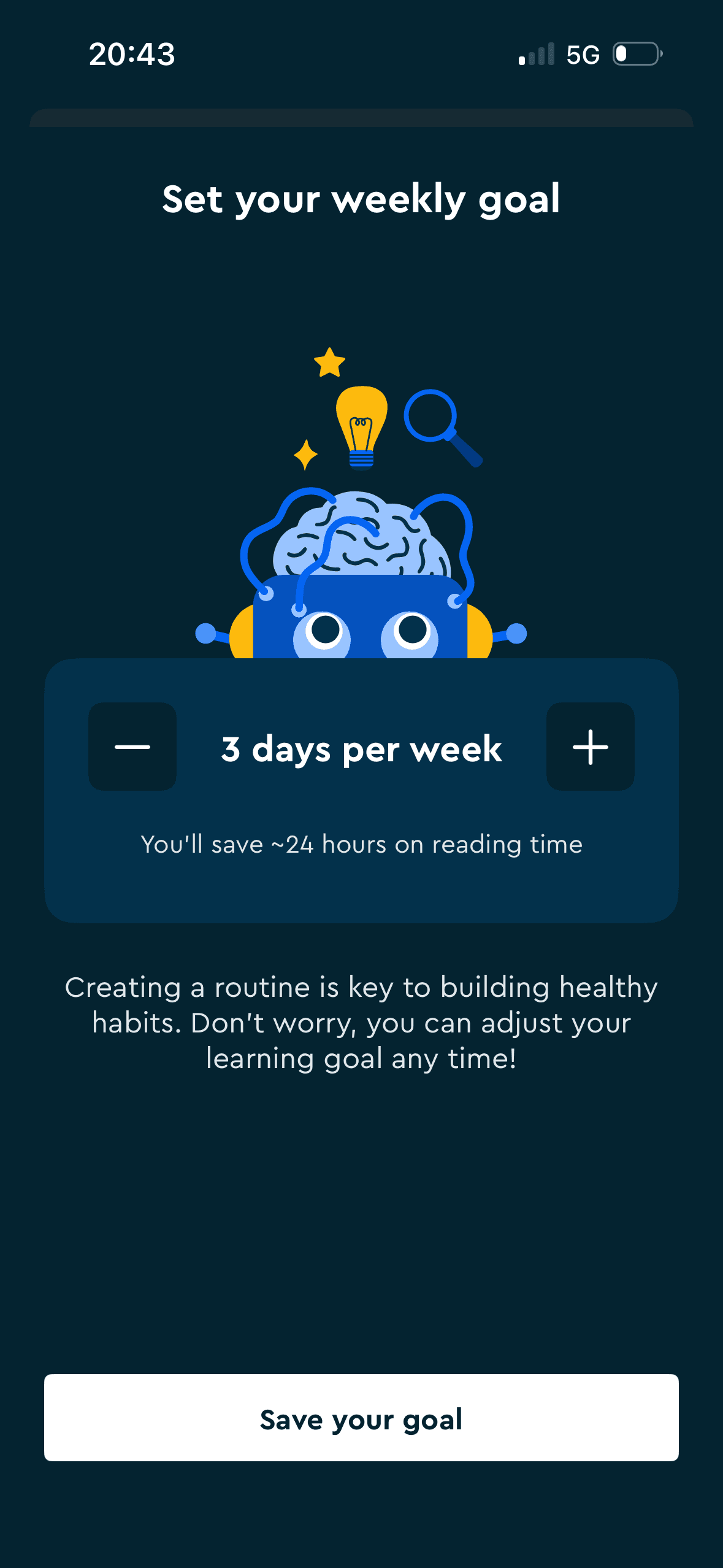
Streaks, saved progress or “don’t lose” language can make stopping feel like forfeiting something already earned. Missing a day or leaving should not erase learning or block access.
View Personalise before asking for payment →
“Don’t lose your progress” explicitly frames profile creation around a possible loss. This is observable loss wording, not evidence that loss aversion caused sign-up. State what progress is at risk, when and why, offer a recovery route without an account where feasible, and test comprehension, pressure and regret—not conversion alone.
View Build momentum without pressure →
Streaks, saved progress or “don’t lose” language can make stopping feel like forfeiting something already earned. Missing a day or leaving should not erase learning or block access.
View Personalise before asking for payment →