
Temporal Discounting
The subjective value of an outcome often changes with the delay before it arrives, but measured discounting varies with amount, sign, uncertainty, trust, context and the choice method.
Public evidence overview
One checked source, with its limits.
This preview is not the complete evidence base. Use it as a question to investigate in your own product, not as a prediction of what an individual will do.
A Discounting Framework for Choice With Delayed and Probabilistic Rewards
Research-assisted source review
- What it supports
- Discounting is nonlinear and amount-dependent; larger delayed rewards are commonly discounted less steeply, while probability discounting shows a different amount pattern, arguing against one simple impulsivity process.
- Where it may not transfer
- Cross-species, monetary and laboratory tasks vary widely. Mathematical fit and associations do not establish stable individual traits, welfare effects or a single neural mechanism.
See how sources and limitations are checked in our editorial method.
Member depth
Continue into the complete evidence and application.
Practitioner includes the complete checked source set, study context and practical takeaways for this ingredient. The public overview above remains available without upgrading.
Seen in real products
How teams put it to work.
Examples identified in our interface teardowns, linked back to the full product journey.

The seven-day free period is placed before the later £79.99 annual charge in a dated timeline. This makes an immediate benefit and delayed cost explicit; it does not prove temporal discounting or acceptance, and the renewal event should be named plainly.
View Personalise before asking for payment →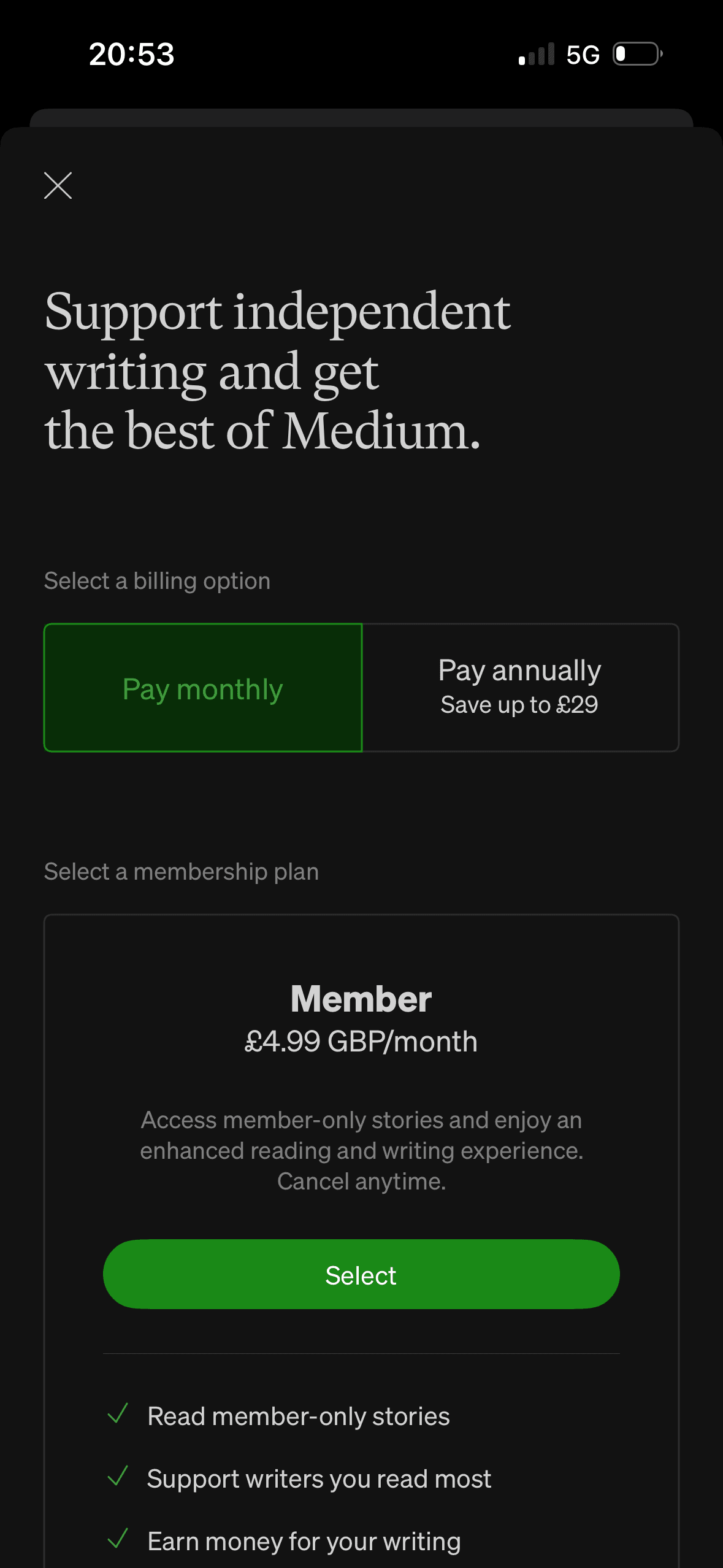
Immediate free access or an instant saving is shown before a later charge. This can favour the near-term reward unless the future cost and cancellation timing remain equally concrete.
View Earn the membership prompt →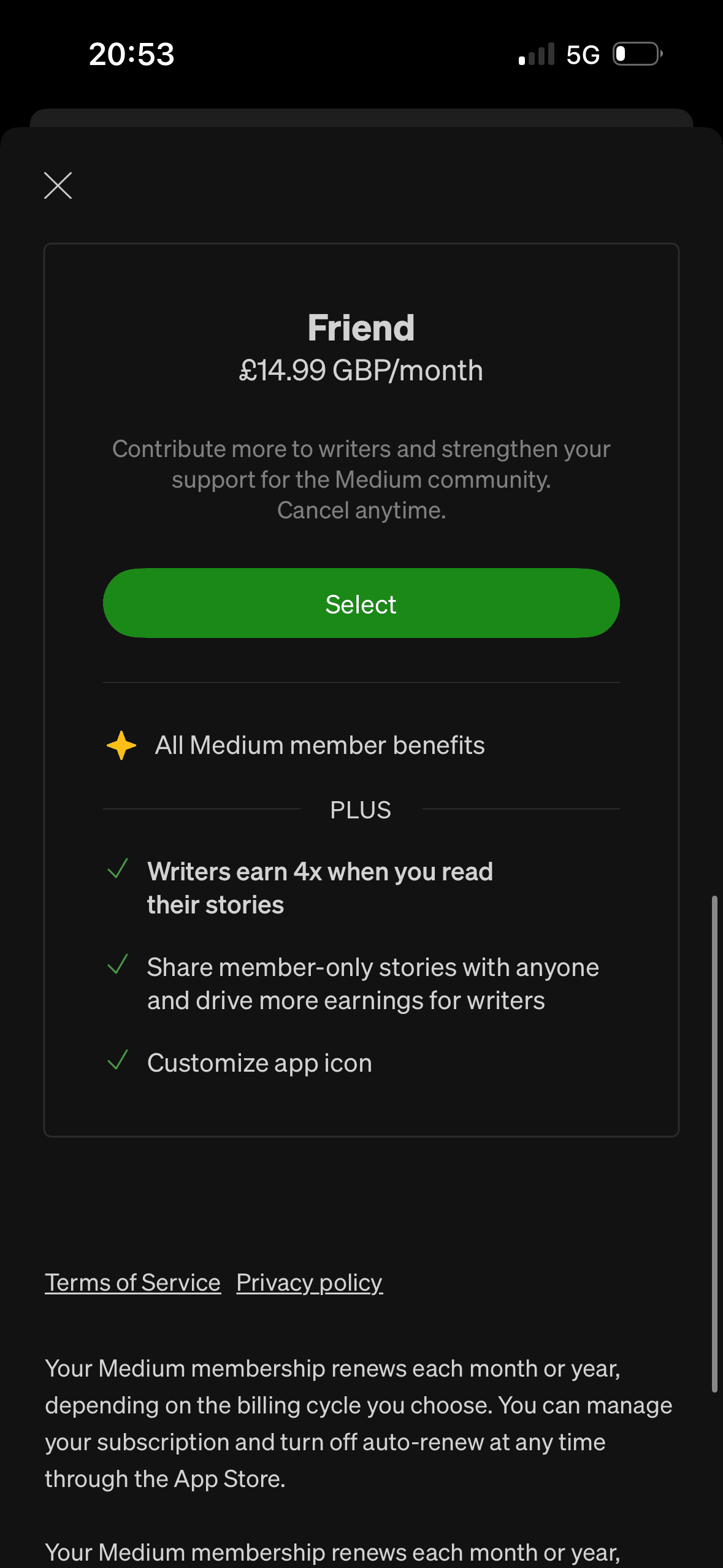
Immediate free access or an instant saving is shown before a later charge. This can favour the near-term reward unless the future cost and cancellation timing remain equally concrete.
View Earn the membership prompt →
Immediate free access or an instant saving is shown before a later charge. This can favour the near-term reward unless the future cost and cancellation timing remain equally concrete.
View Ask only what onboarding needs →
Immediate free access or an instant saving is shown before a later charge. This can favour the near-term reward unless the future cost and cancellation timing remain equally concrete.
View Personalise before asking for payment →