
Default Effect
A preselected option or existing state can be chosen more often because it remains in place unless someone actively changes it.
Public evidence overview
One checked source, with its limits.
This preview is not the complete evidence base. Use it as a question to investigate in your own product, not as a prediction of what an individual will do.
Research into potentially harmful online choice architecture
Research-assisted source review
- What it supports
- Preselected defaults made participants 60% to 70% more likely to choose the more expensive option. Mimic defaults that looked prominent but were not selected did not significantly change behaviour.
- Where it may not transfer
- The experiment simulated shopping rather than measuring completed purchases or long-term regret. It examined selected shipping and protection-plan designs in the UK and should not be generalised to all defaults or markets.
See how sources and limitations are checked in our editorial method.
Member depth
Continue into the complete evidence and application.
Practitioner includes the complete checked source set, study context and practical takeaways for this ingredient. The public overview above remains available without upgrading.
Seen in real products
How teams put it to work.
Examples identified in our interface teardowns, linked back to the full product journey.
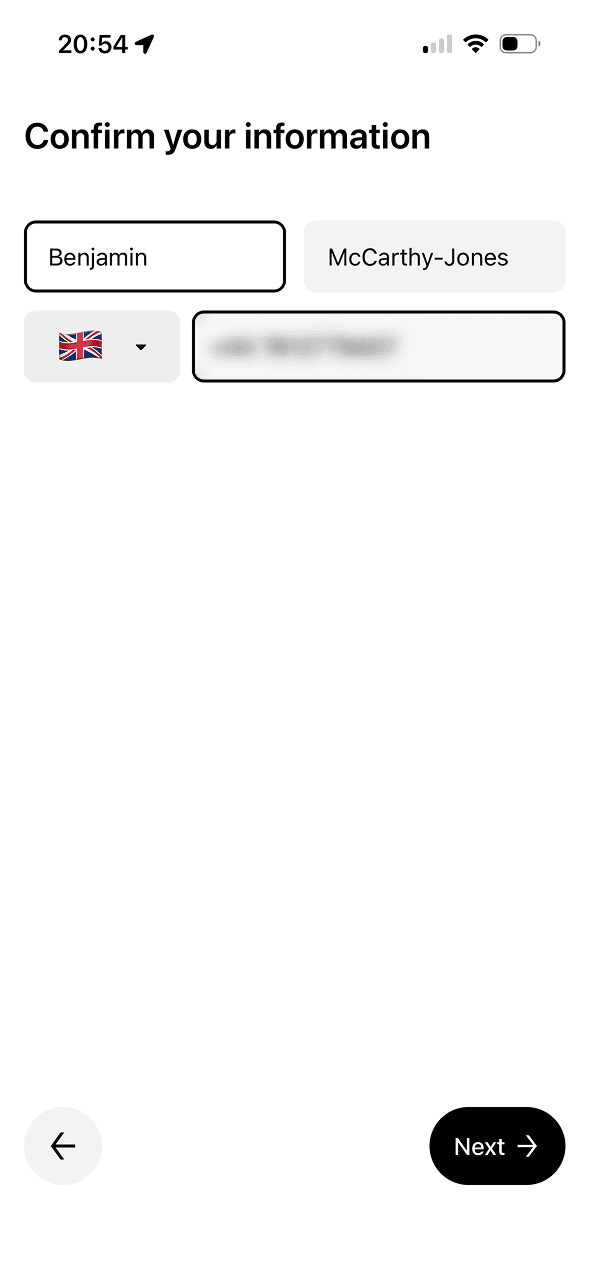
Name and phone values are pre-filled while remaining editable. These values function as defaults if Next saves them unchanged; the screenshot does not show acceptance, correction or error rates.
View Make data choices feel informed →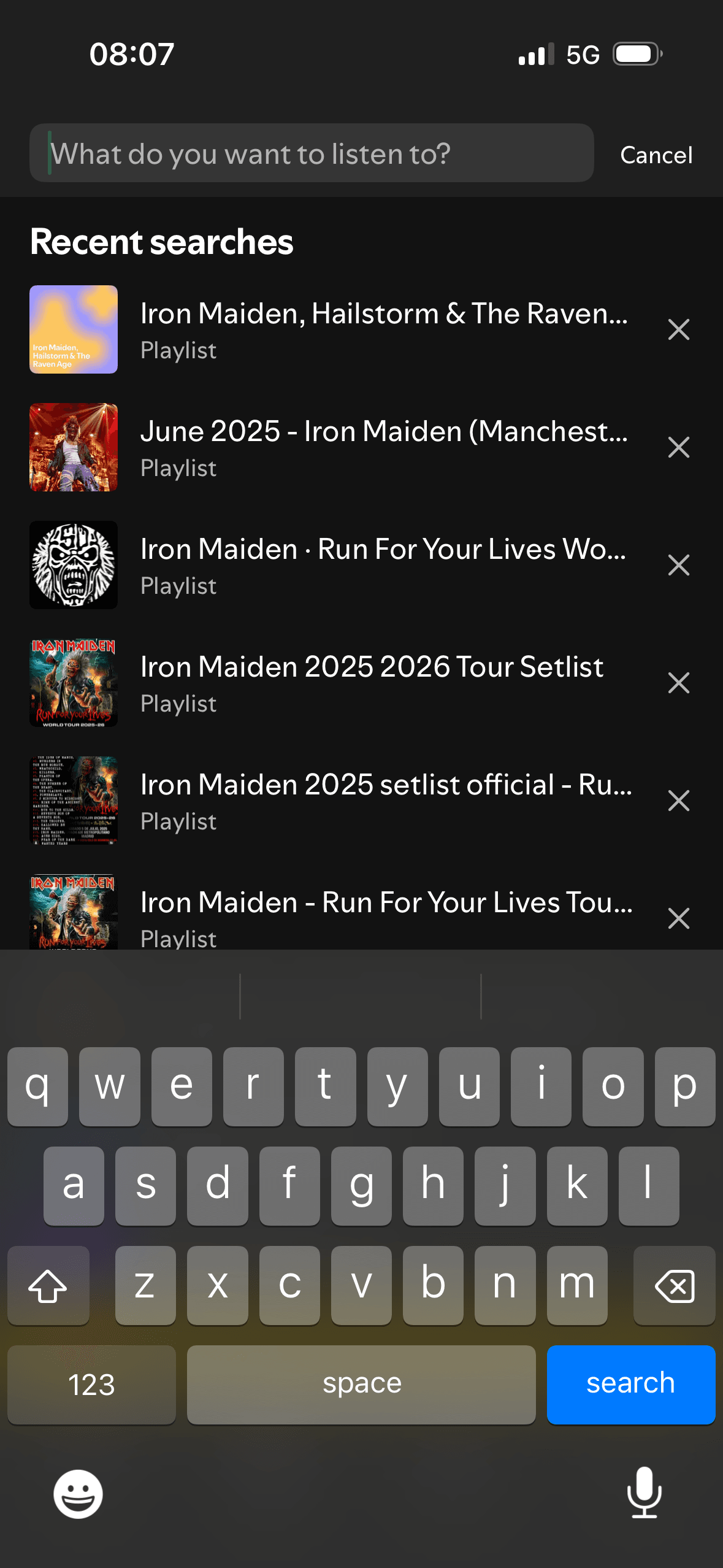
Activating search places focus in the field and opens the keyboard. This is the default input state for text entry; the screenshot does not show whether it improves task speed or excludes another preferred input method.
View Help people narrow mixed results →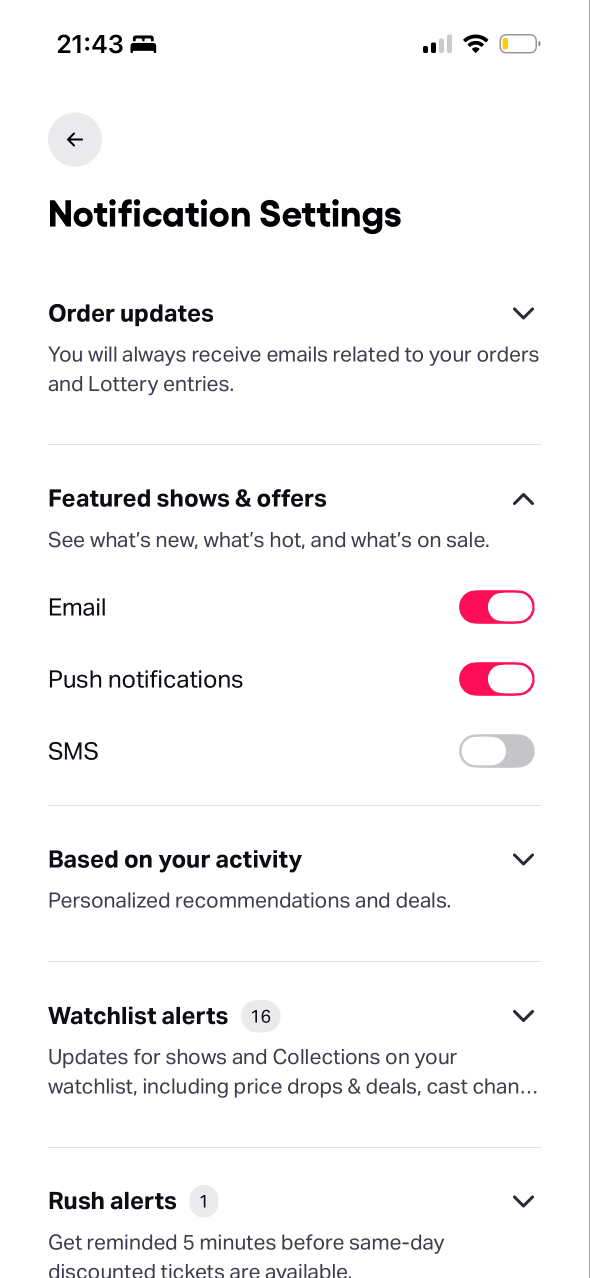
Email and push appear enabled while SMS is off for featured shows and offers. Existing switch states can persist when people accept the current configuration.
View Bring people back without nagging →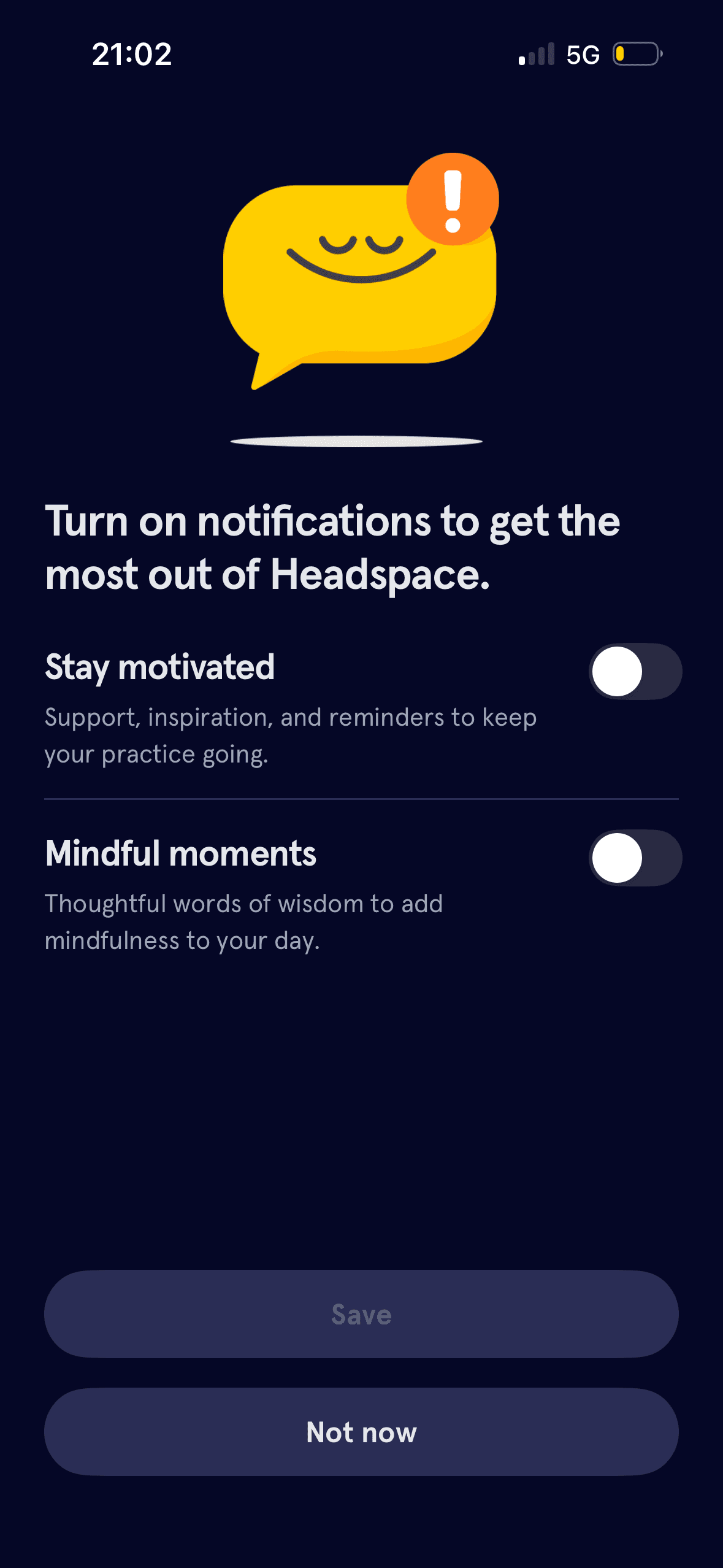
Both notification categories start off, Save is unavailable until a choice changes and Not now remains visible. These are observable defaults that preserve non-subscription; the screenshot does not show whether people keep or later change them.
View Keep wellbeing and selling separate →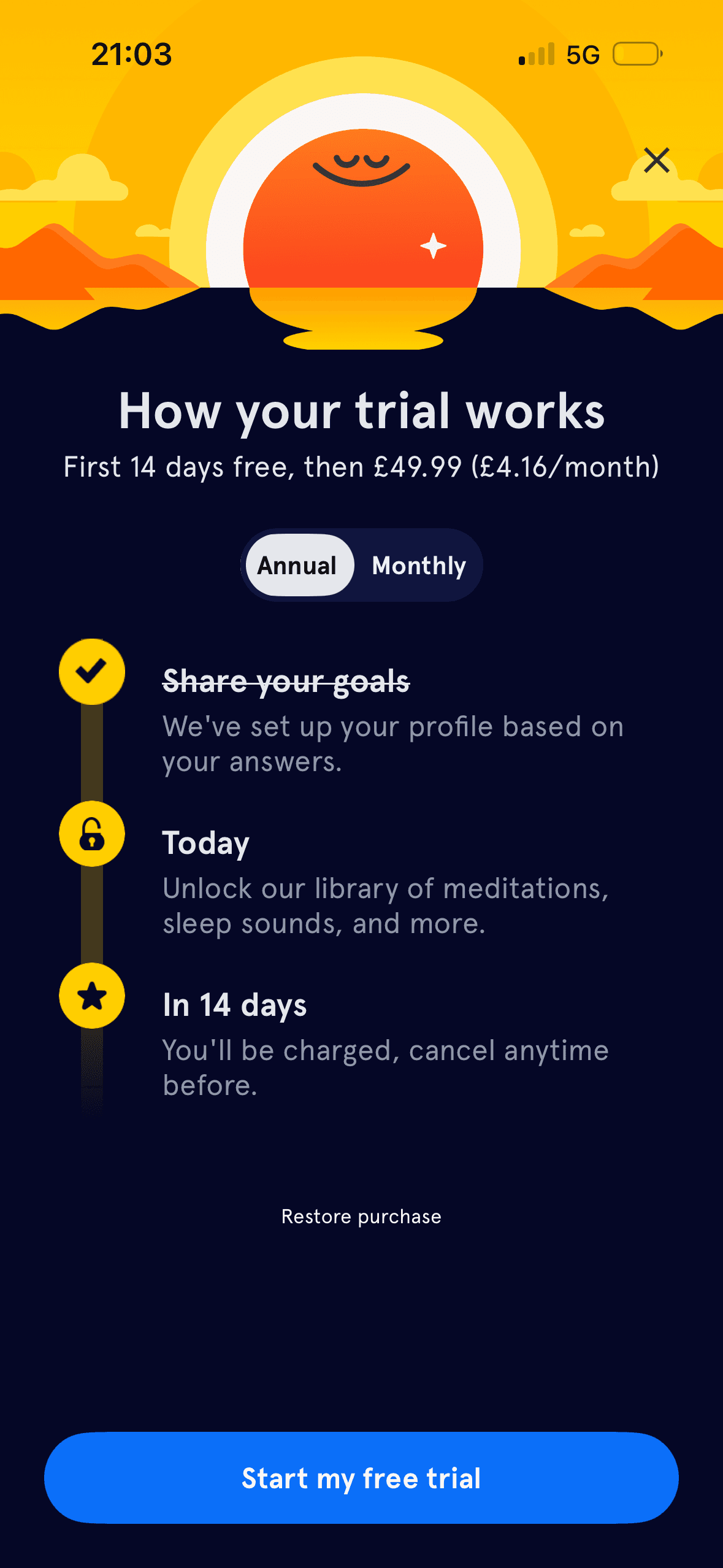
The later trial screen again preselects Annual and pairs immediate free access with a future £49.99 charge. The visible default is supportable; the screenshot does not establish temporal discounting and does not reconcile the earlier 30% offer.
View Keep wellbeing and selling separate →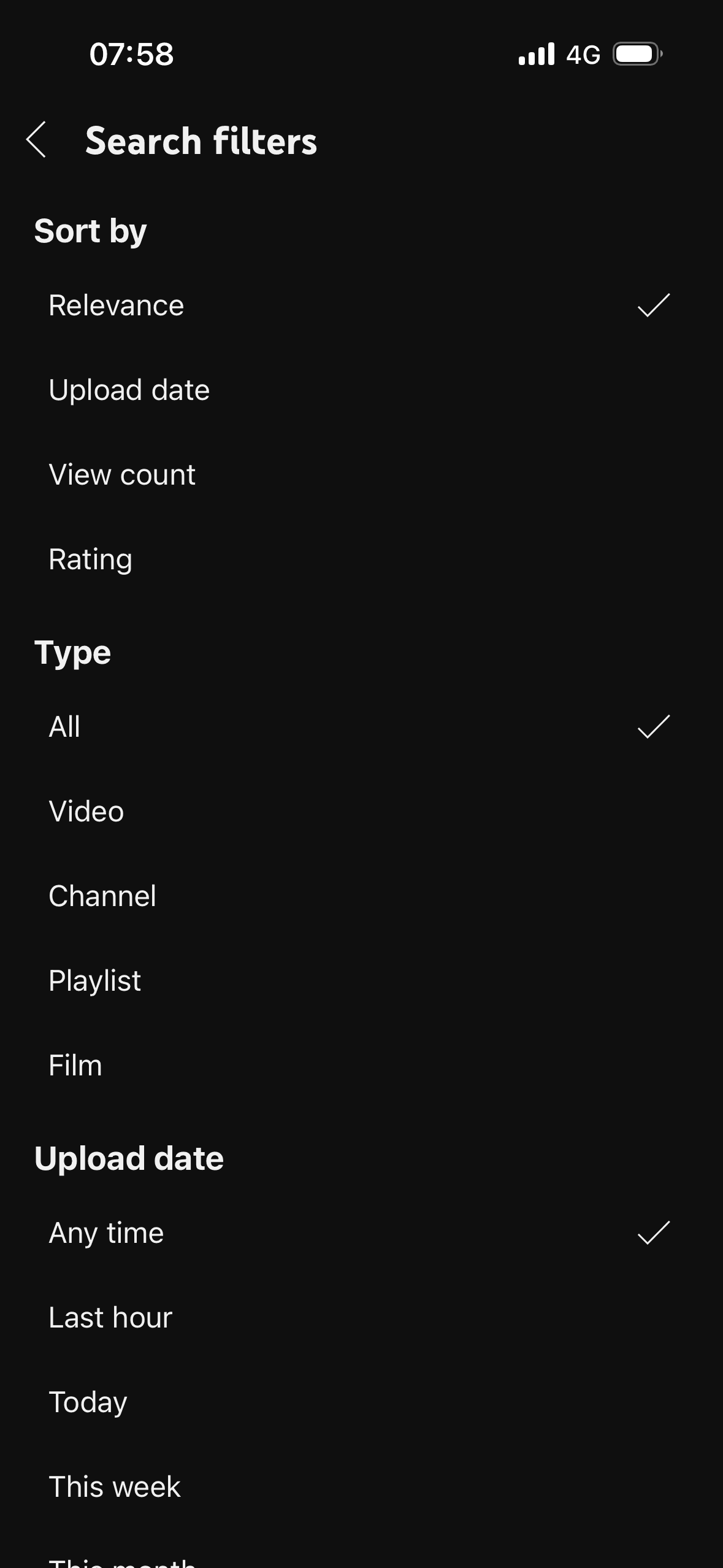
Relevance, All and Any time are visibly preselected and will define the result set unless changed. These are interface defaults; the screenshot does not show whether people keep them or whether they produce the best result for a task.
View Keep paid and organic search distinct →