
Cognitive Load
The working-memory demand created by a task depends on what must be processed together and what the person already knows.
Public evidence overview
One checked source, with its limits.
This preview is not the complete evidence base. Use it as a question to investigate in your own product, not as a prediction of what an individual will do.
Development of an instrument for measuring different types of cognitive load
Research-assisted source review
- What it supports
- Analyses supported three intended components across the samples, and the randomised experiment provided further support for distinguishing reported load types.
- Where it may not transfer
- The instrument relies on retrospective self-report and was developed in university instruction, not routine product use. Factor support does not make the labels directly observable or replace task-performance and accessibility evidence.
See how sources and limitations are checked in our editorial method.
Member depth
Continue into the complete evidence and application.
Practitioner includes the complete checked source set, study context and practical takeaways for this ingredient. The public overview above remains available without upgrading.
Seen in real products
How teams put it to work.
Examples identified in our interface teardowns, linked back to the full product journey.
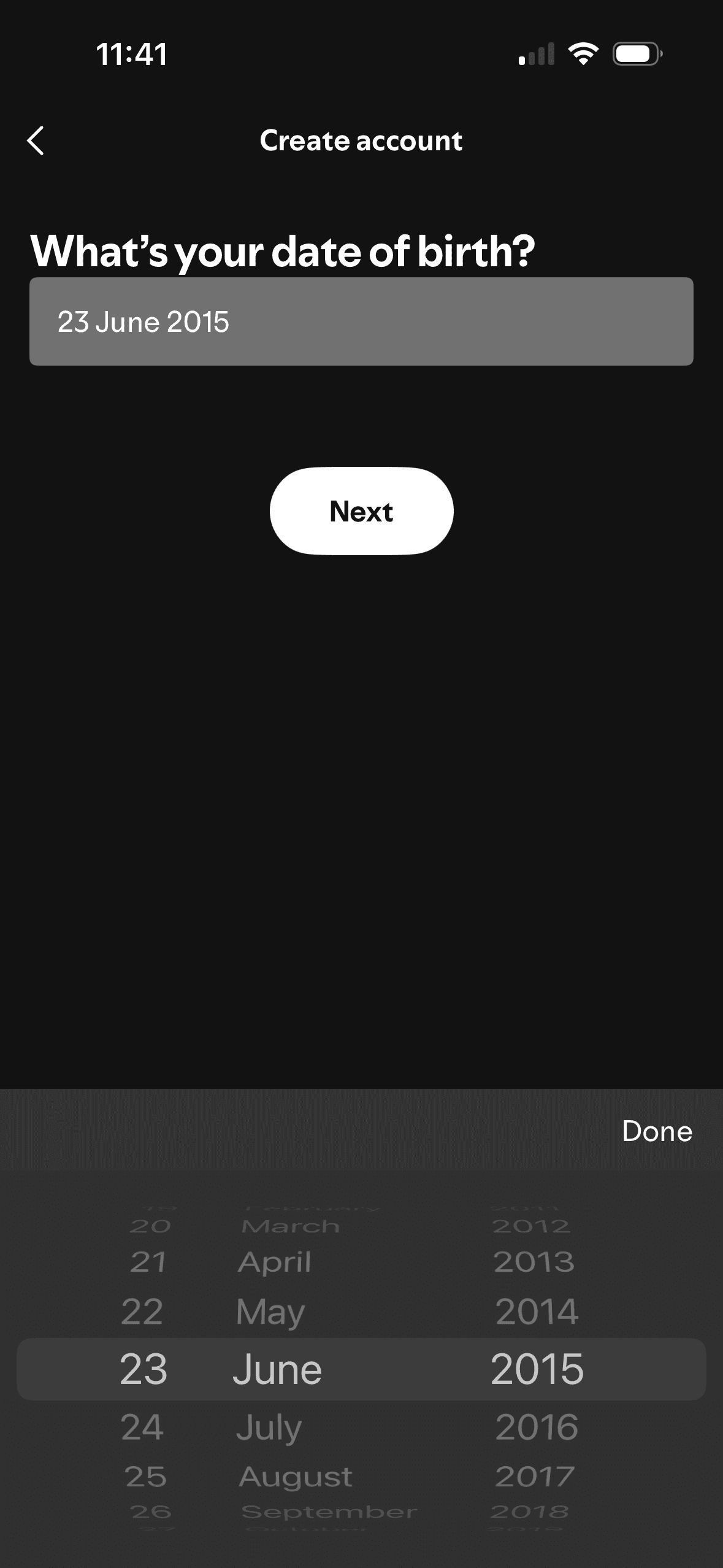
Keeping related profile fields together reduces switching between unrelated decisions. Optional and required fields still need explicit labels.
View Show value before more setup →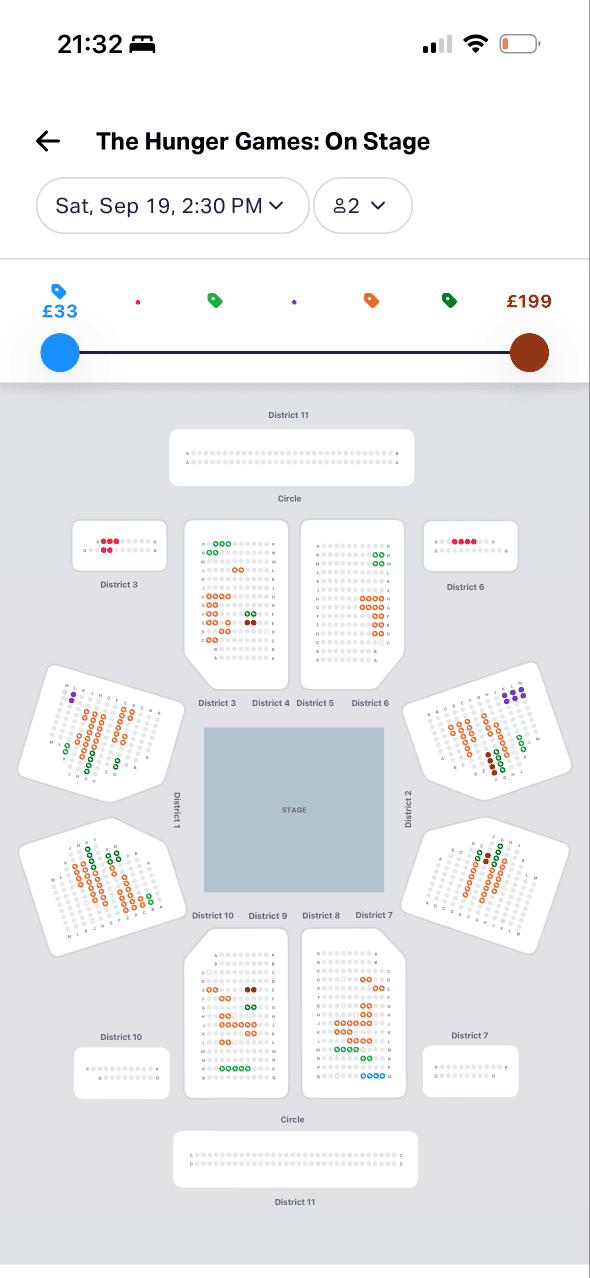
The map combines sections, individual seats, a viewport and a price range. Comparing those elements can require substantial visual and spatial effort.
View Make seat choice feel safe →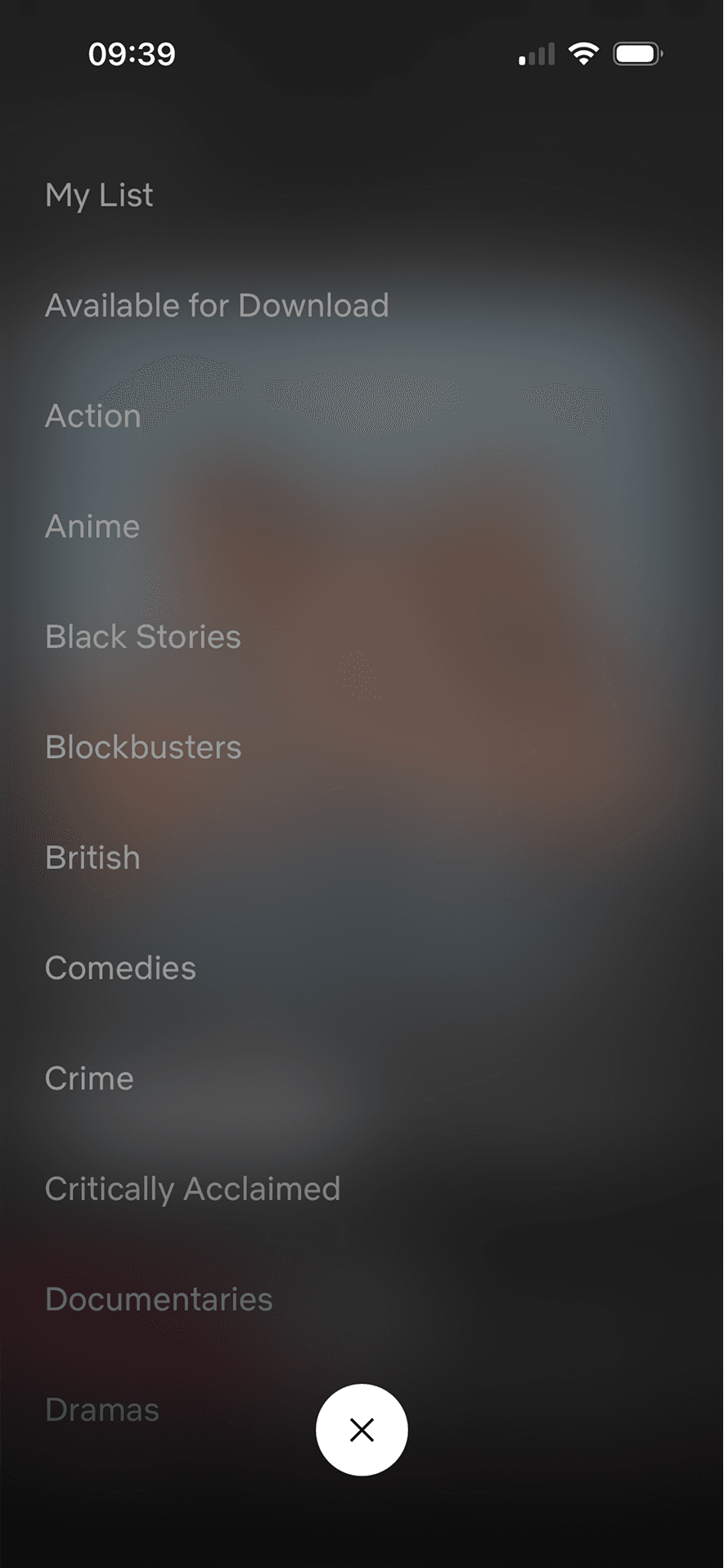
The category overlay presents many differently scoped options in one long list. For someone seeking a known category, this creates a hypothesis of avoidable search and memory demand—not evidence of cognitive load from the screenshot. Test find time, wrong selections, backtracking and reported effort with new and experienced viewers, comparing clearer grouping or search while preserving browse choice.
View Make discovery easier to control →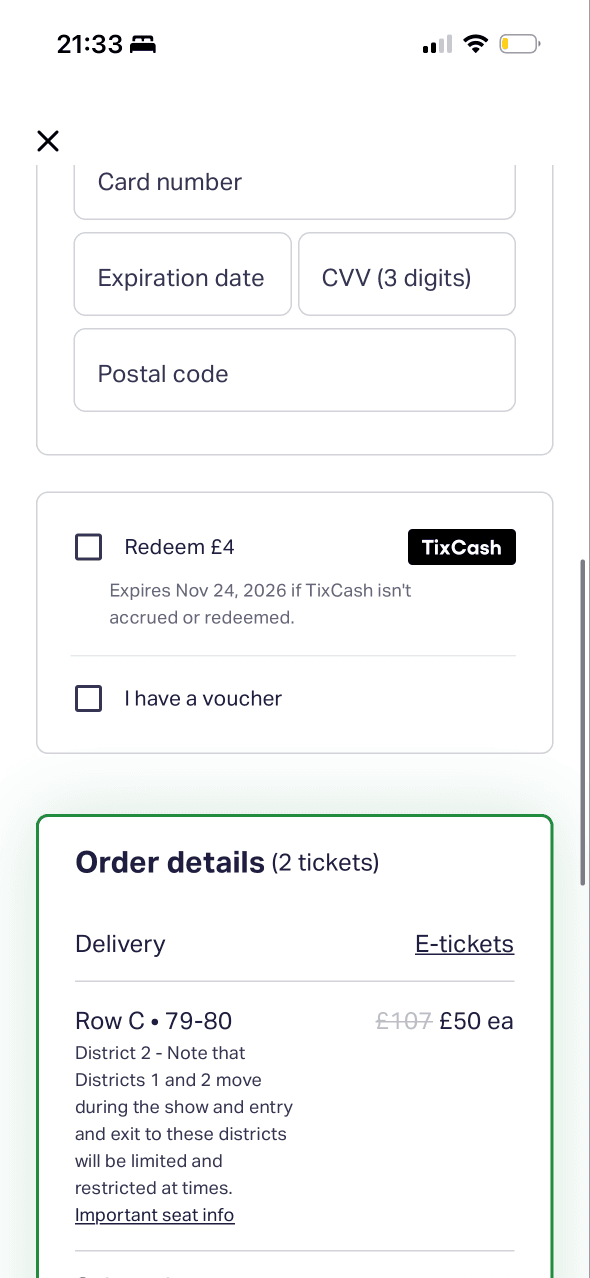
Payment fields, rewards, vouchers and order details compete within a long checkout. Grouping helps, but the person must still track several costs and conditions.
View Make seat choice feel safe →
Three broad regions keep the location choice quick and avoid asking for precise address data, limiting both response effort and unnecessary detail.
View Ask for feedback without overreaching →
The number, order or overlap of options can still make comparison demanding. Search, grouping, a clear reset and an explanation of what changes would reduce avoidable cognitive load.
View Help people narrow mixed results →