The reading shelf

Go beyond
the summary.

Use this shelf to choose a practical guide, a deeper reference or a critical perspective on how products shape decisions. A recommendation is a place to start, not evidence that a method will work for every person or product.

Some links are Amazon affiliate links. If you buy through one, The UXologist may earn a small commission at no extra cost to you. Recommendations are selected for their usefulness, not commission.

24 recommendations
01
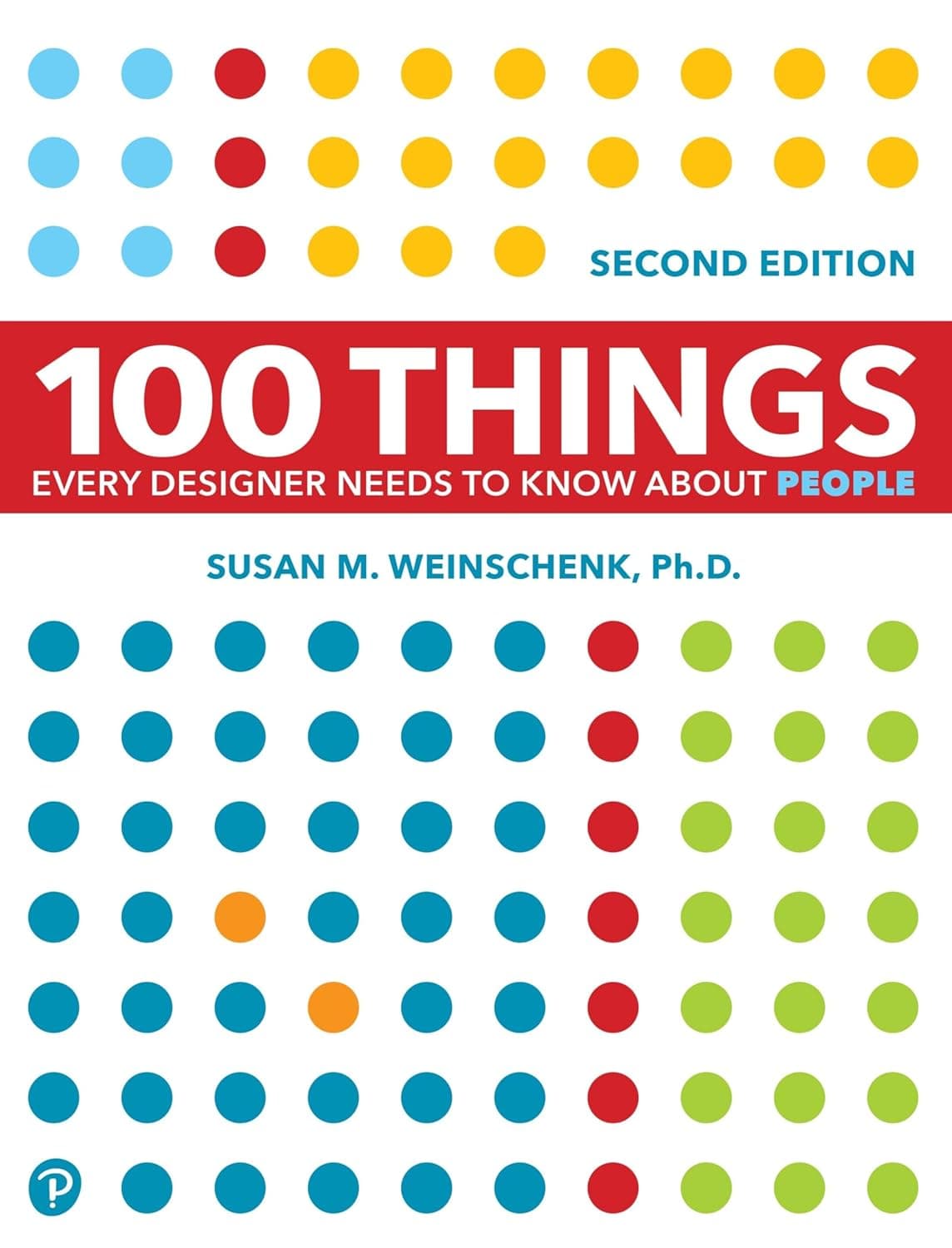
Cover of 100 Things Every Designer Needs to Know About People

Susan Weinschenk

100 Things Every Designer Needs to Know About People

A broad introduction to how people perceive, decide and use interfaces. Use its topics as prompts, and check the original research before repeating a claim or turning it into a design rule.

Find the book
02
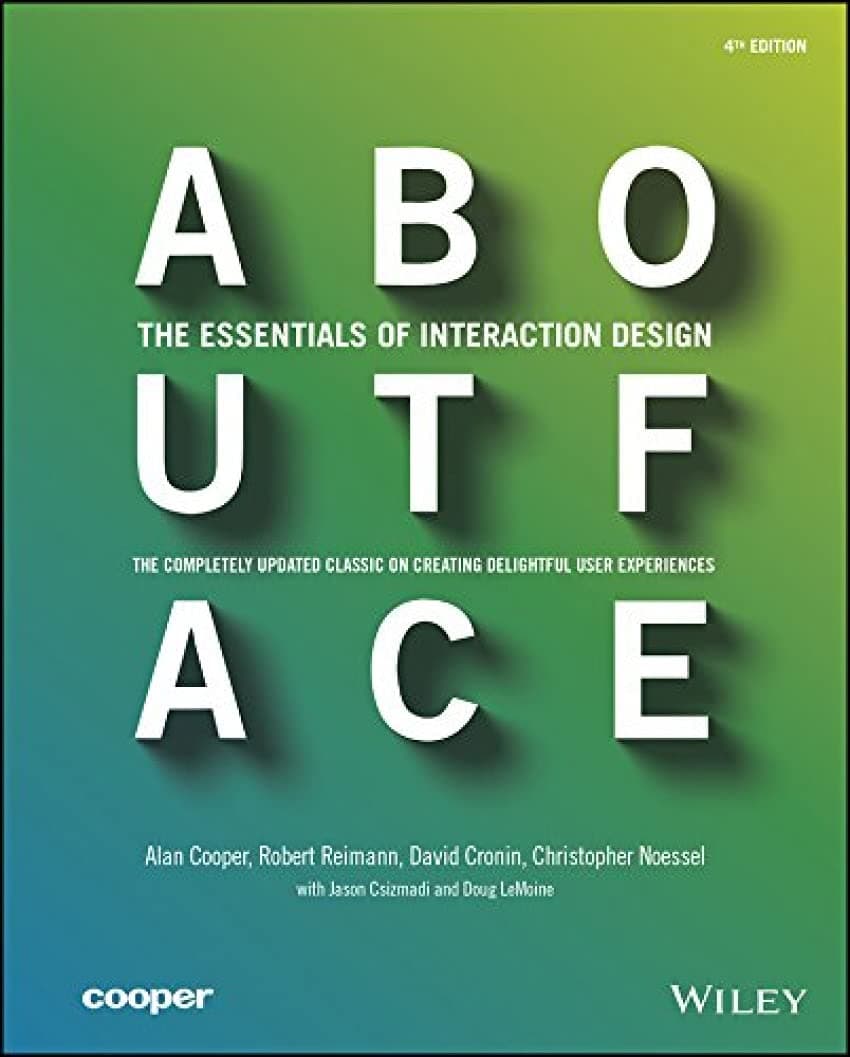
Cover of About Face

Alan Cooper

About Face

A substantial reference for goal-directed design, personas, interaction patterns and interface structure. Use the relevant chapter for your problem rather than treating the whole method as a checklist.

Find the book
03
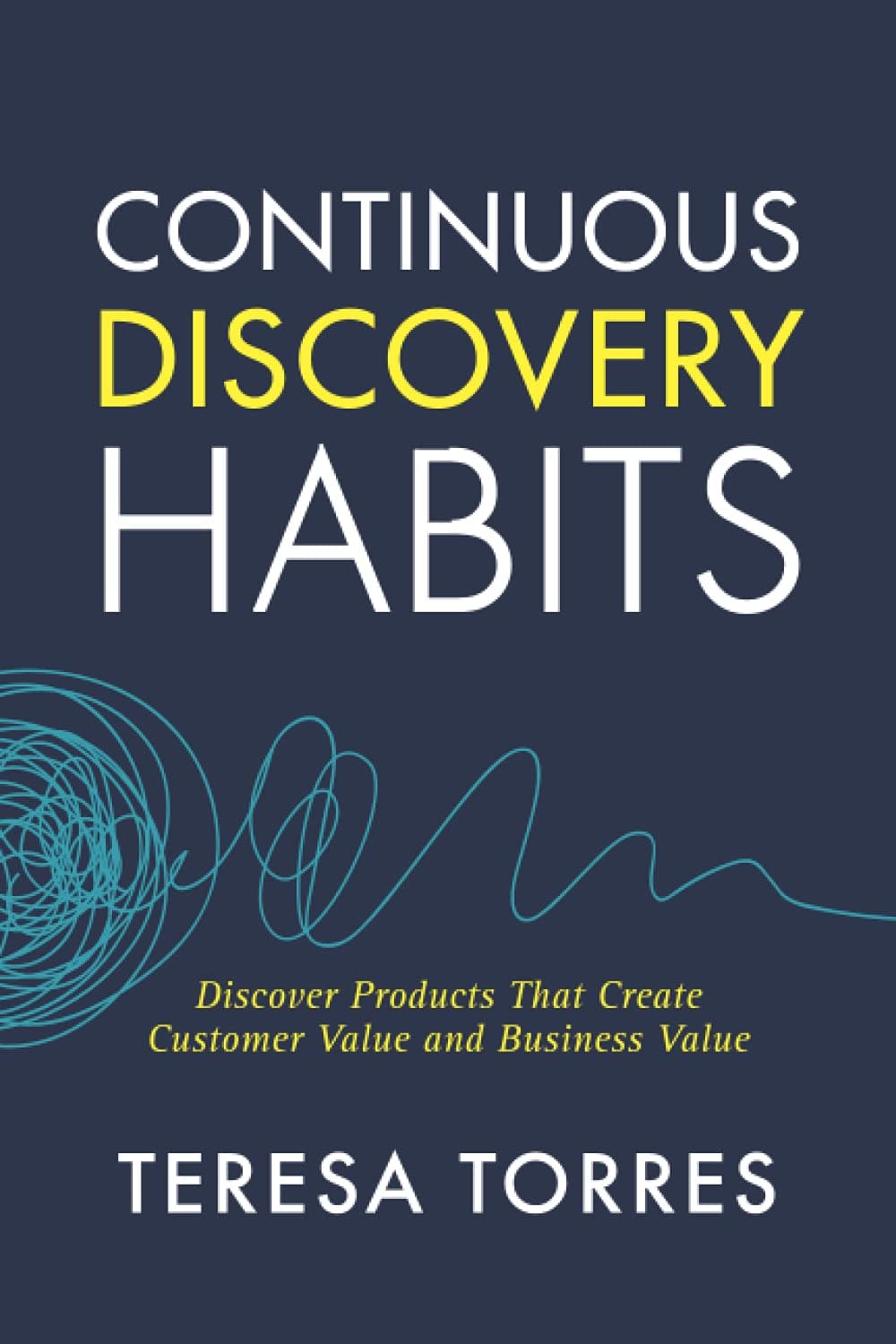
Cover of Continuous Discovery Habits

Teresa Torres

Continuous Discovery Habits

A practical guide to making customer conversations, opportunity mapping and assumption tests part of product work. Here, “habits” describes a team practice; it is not evidence about changing user behaviour.

Find the book
04
Cover of Designing for Interaction

Dan Saffer

Designing for Interaction

A useful introduction to interaction-design concepts and patterns across digital products. Some examples reflect the technology of their edition, so translate the principles to current devices, accessibility needs and conventions.

Find the book
05
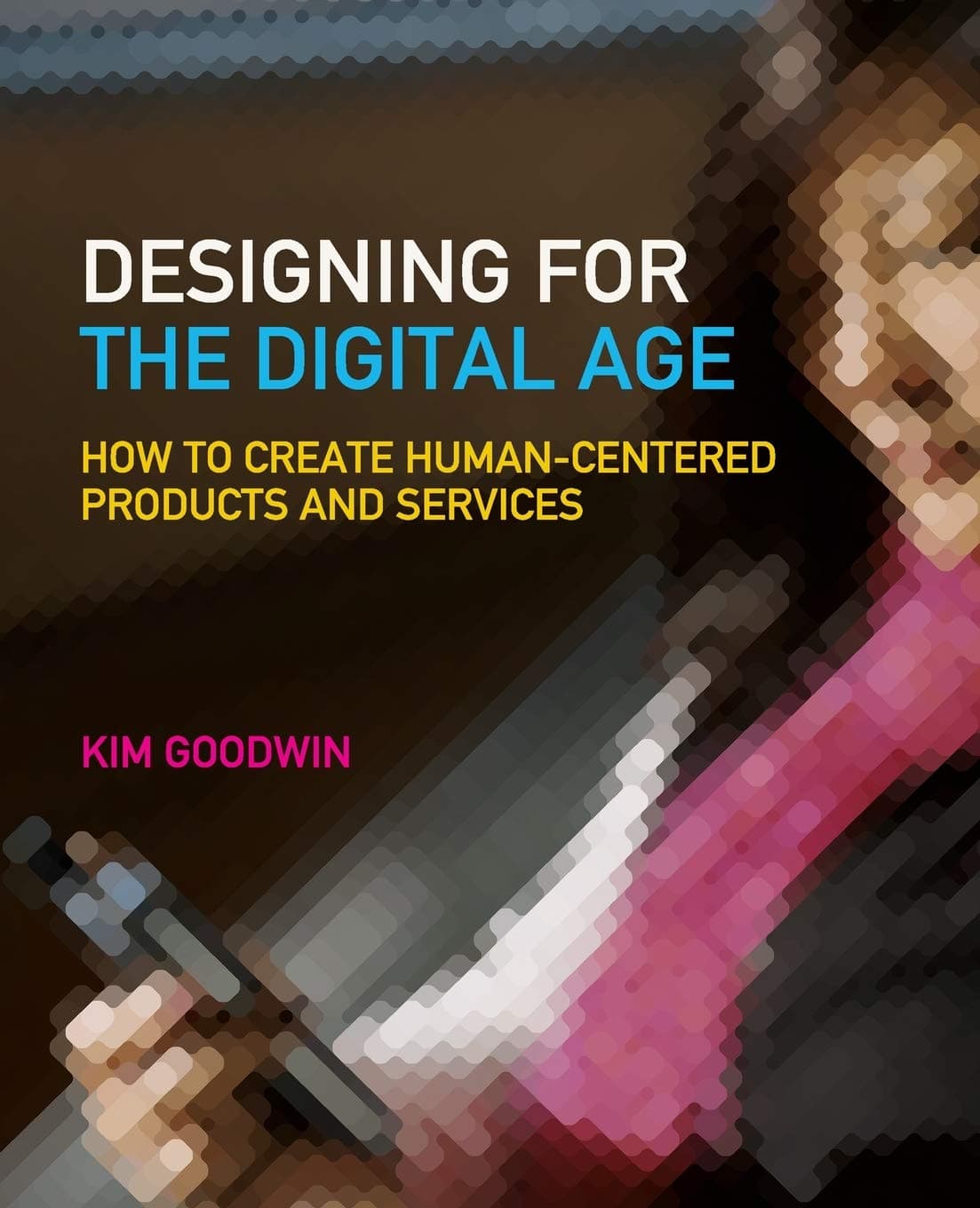
Cover of Designing for the Digital Age

Kim Goodwin

Designing for the Digital Age

A detailed guide to planning research, modelling users, defining requirements and designing interactions. Best used as an end-to-end reference when you need more depth than a quick technique.

Find the book
06
Cover of Designing Pleasurable Products

Patrick W. Jordan

Designing Pleasurable Products

A historical framework for discussing practical, social and emotional qualities of products. Use it to broaden a critique beyond usability, but do not treat pleasure as the same thing as engagement or wellbeing.

Find the book
07
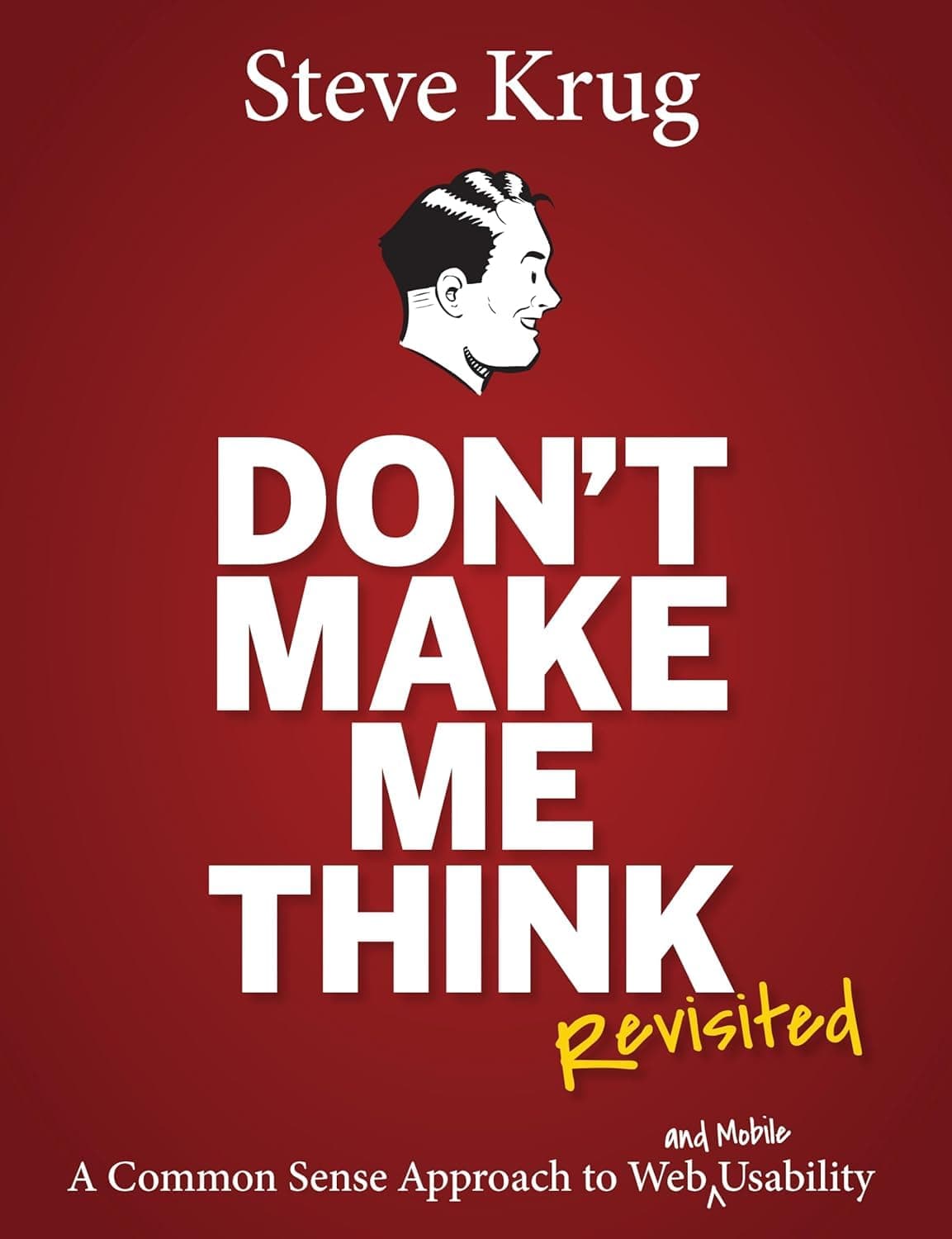
Cover of Don't Make Me Think, Revisited

Steve Krug

Don't Make Me Think, Revisited

A concise introduction to self-evident web navigation, scanning and usability testing. “Don’t make me think” is shorthand for removing avoidable confusion, not a reason to remove meaningful choices or reflection.

Find the book
08
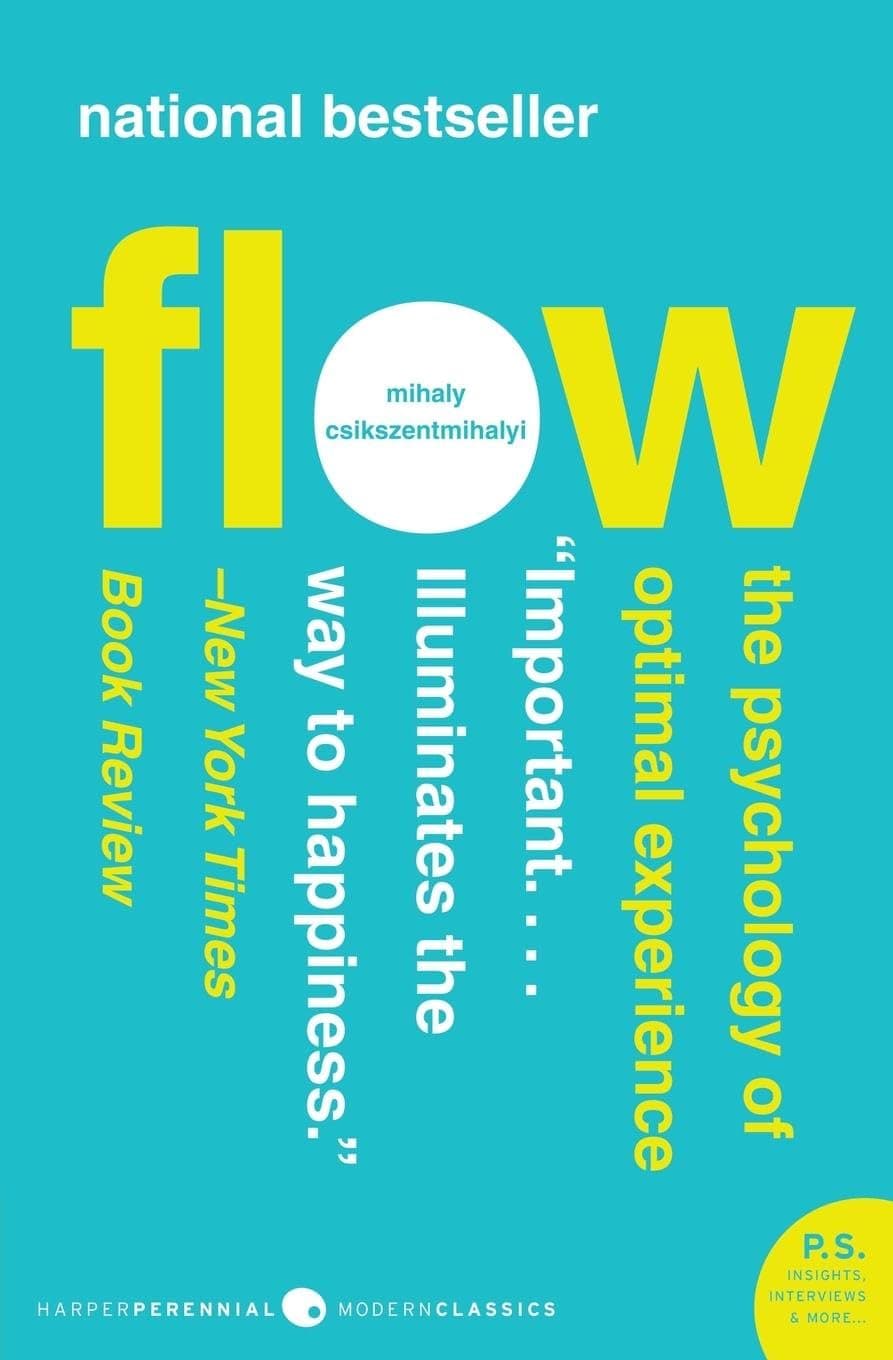
Cover of Flow

Mihaly Csikszentmihalyi

Flow

A psychological account of optimal experience, attention, skill and challenge. It can inform questions about an activity, but it is not a product recipe for maximising time spent or preventing people from stopping.

Find the book
09
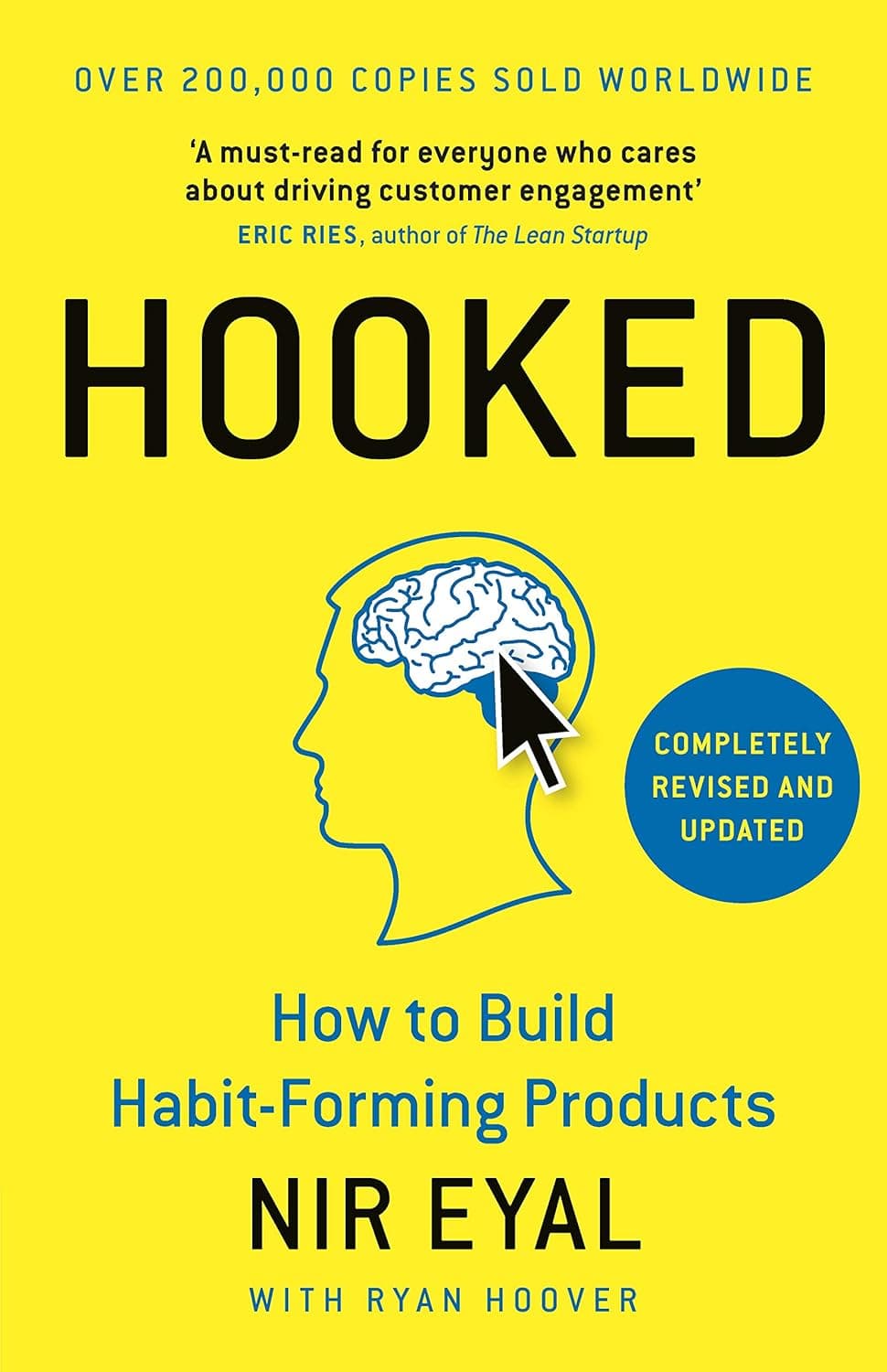
Cover of Hooked

Nir Eyal

Hooked

A product model for triggers, actions, variable rewards and investment in repeated use. Read it as both a design framework and a risk-audit lens: protect informed choice, stopping, notification control and easy exit.

Find the book
10
Cover of In the Bubble

John Thackara

In the Bubble

A systems-level critique of technology-led design and a case for more sustainable, human-centred services. Use it to question growth assumptions and consider social and environmental effects beyond the interface.

Find the book
11
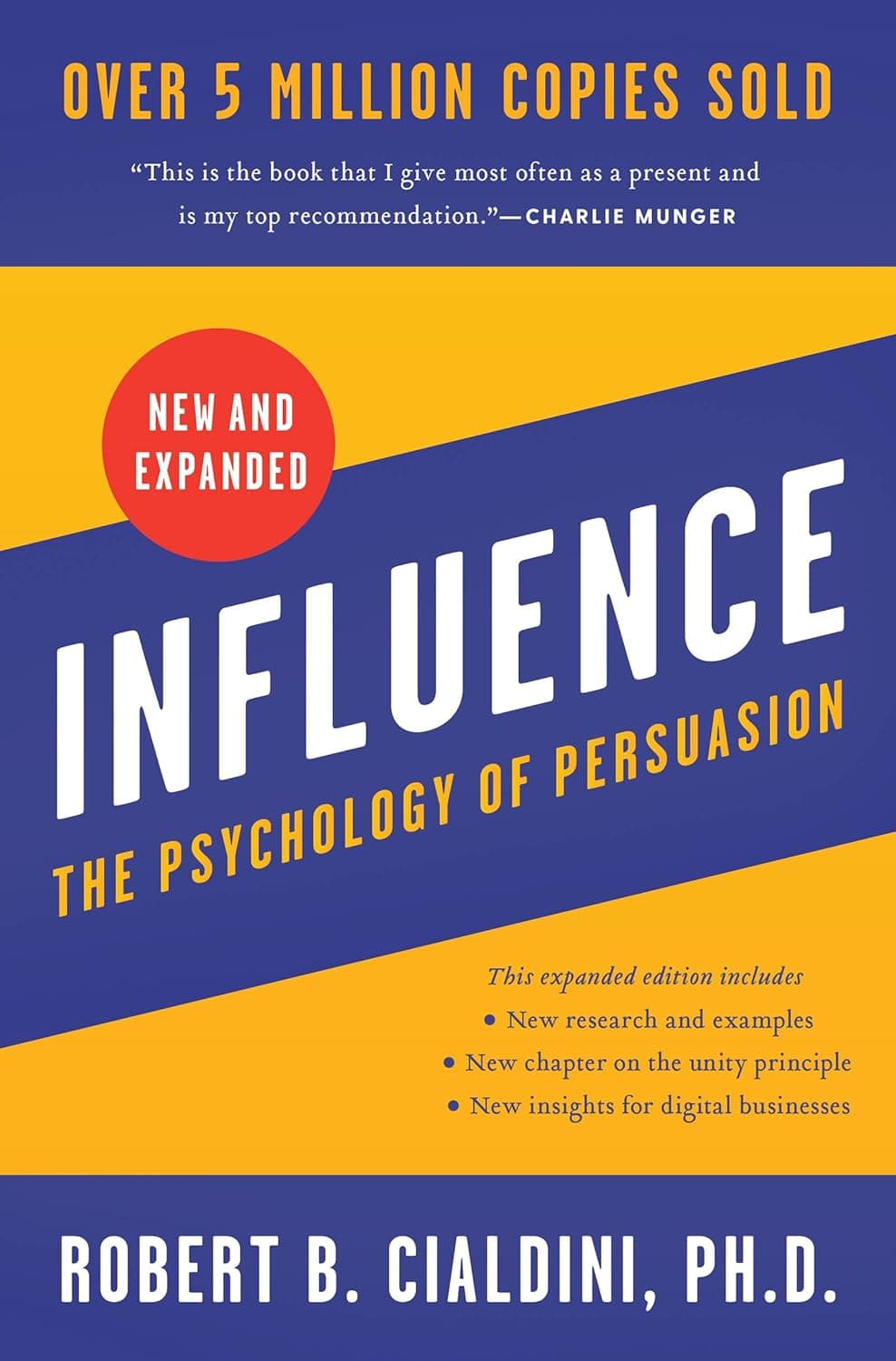
Cover of Influence, New and Expanded: The Psychology of Persuasion

Robert B Cialdini PhD

Influence, New and Expanded: The Psychology of Persuasion

An accessible account of recurring persuasion principles and the situations in which they may appear. Use it to audit influence, consent and power—not as permission to manipulate—and check primary evidence for important claims.

Find the book
12
Cover of Just Enough Research

Erika Hall

Just Enough Research

A practical guide to choosing proportionate research, interviewing, analysing and communicating what you learn. “Just enough” means enough to reduce the decision risk, not an excuse for tiny samples or skipping affected groups.

Find the book
13
Cover of Lean UX

Jeff Gothelf & Josh Seiden

Lean UX

A collaborative approach to assumptions, experiments and shared learning in agile product teams. Use its speed to shorten feedback loops, not to bypass research quality, accessibility or ethical review.

Find the book
14
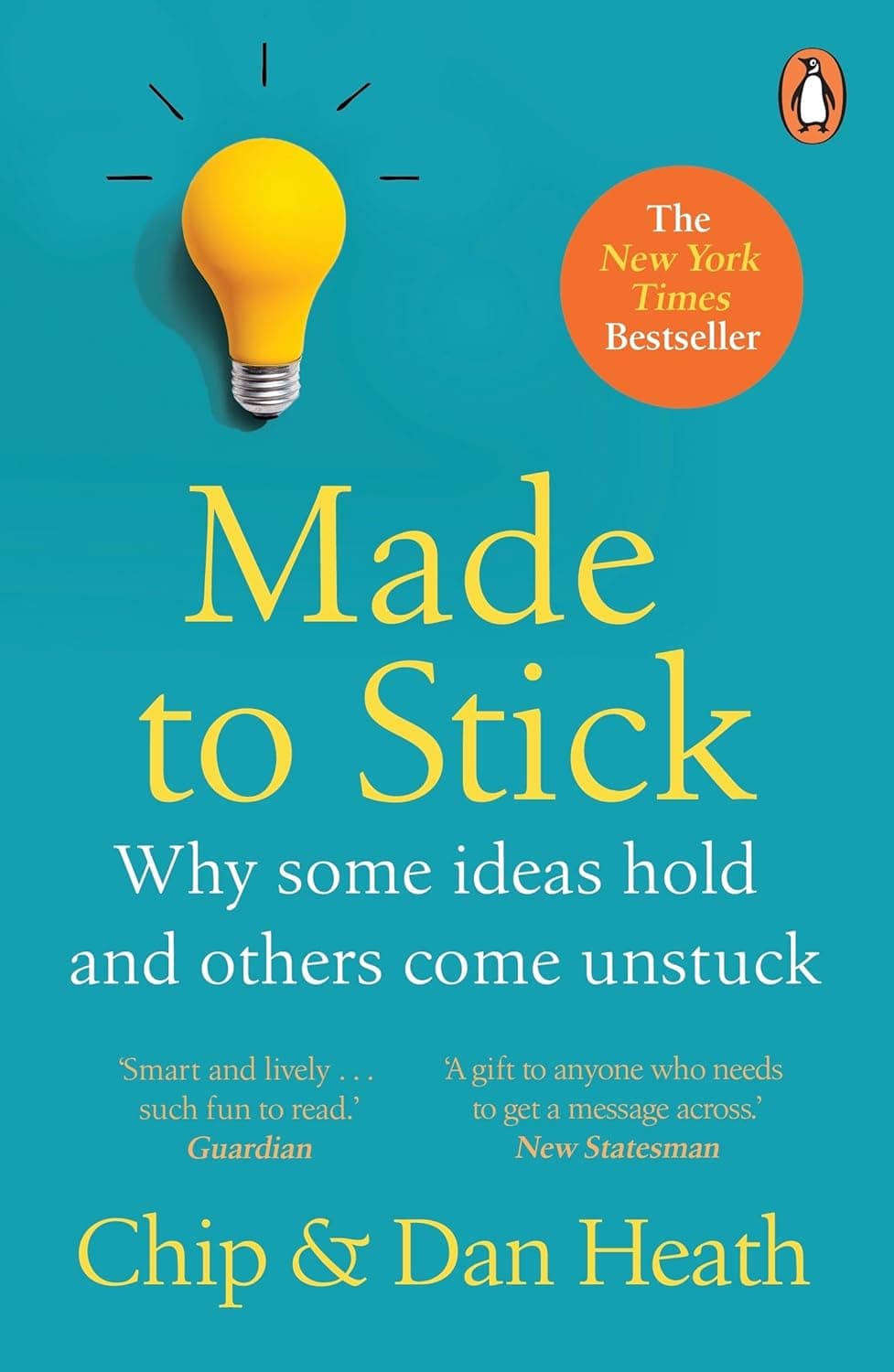
Cover of Made to Stick

Chip Heath & Dan Heath

Made to Stick

A framework for making ideas clearer, more concrete and easier to remember. Use it for communication, then test comprehension and accuracy rather than optimising memorability at the expense of nuance or truth.

Find the book
15
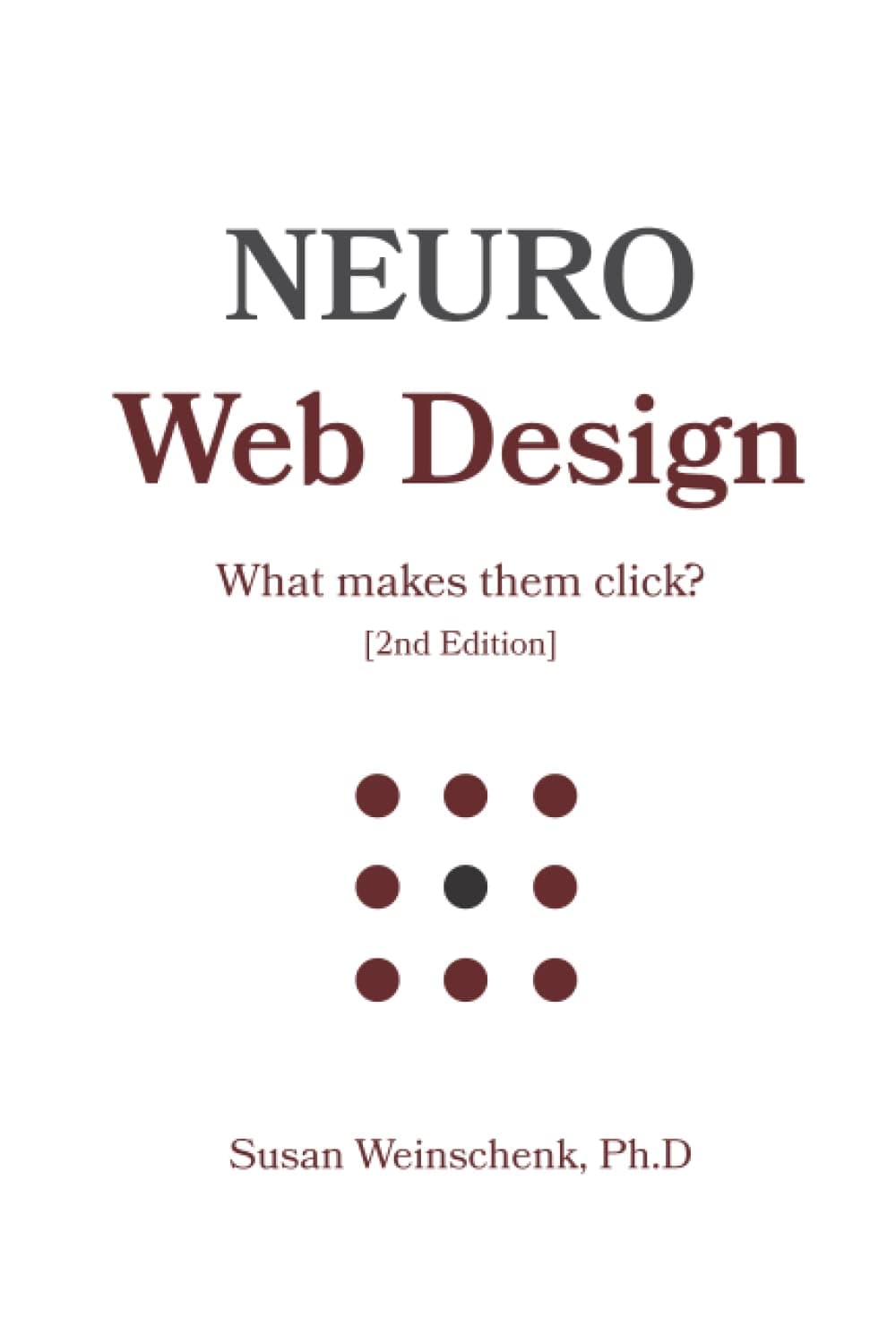
Cover of Neuro Web Design

Susan M. Weinschenk

Neuro Web Design

An older introduction to persuasion and brain-based explanations in web design. Read it as historical context and cross-check neuroscience or behaviour claims against current primary research before applying them.

Find the book
16
Cover of Speculative Everything

Anthony Dunne & Fiona Raby

Speculative Everything

A critical-design approach for using imagined products and futures to expose assumptions and provoke debate. A speculative concept opens questions; it does not validate demand, feasibility or likely behaviour.

Find the book
17
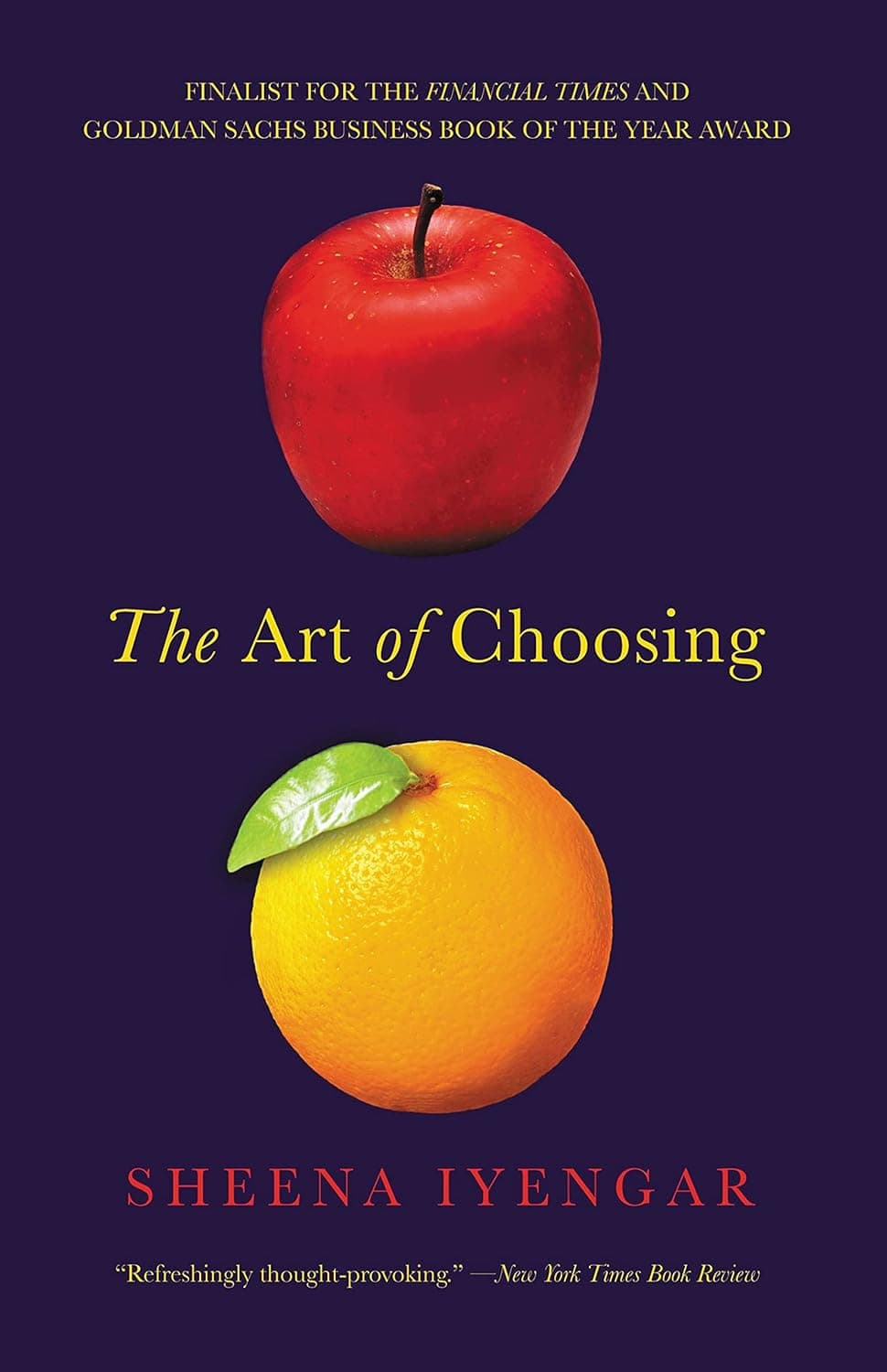
Cover of The Art of Choosing

Sheena Iyengar

The Art of Choosing

An accessible exploration of how choice is shaped by context, culture and perceived control. Use its cases to form research questions, not as universal rules about how every person will decide.

Find the book
18
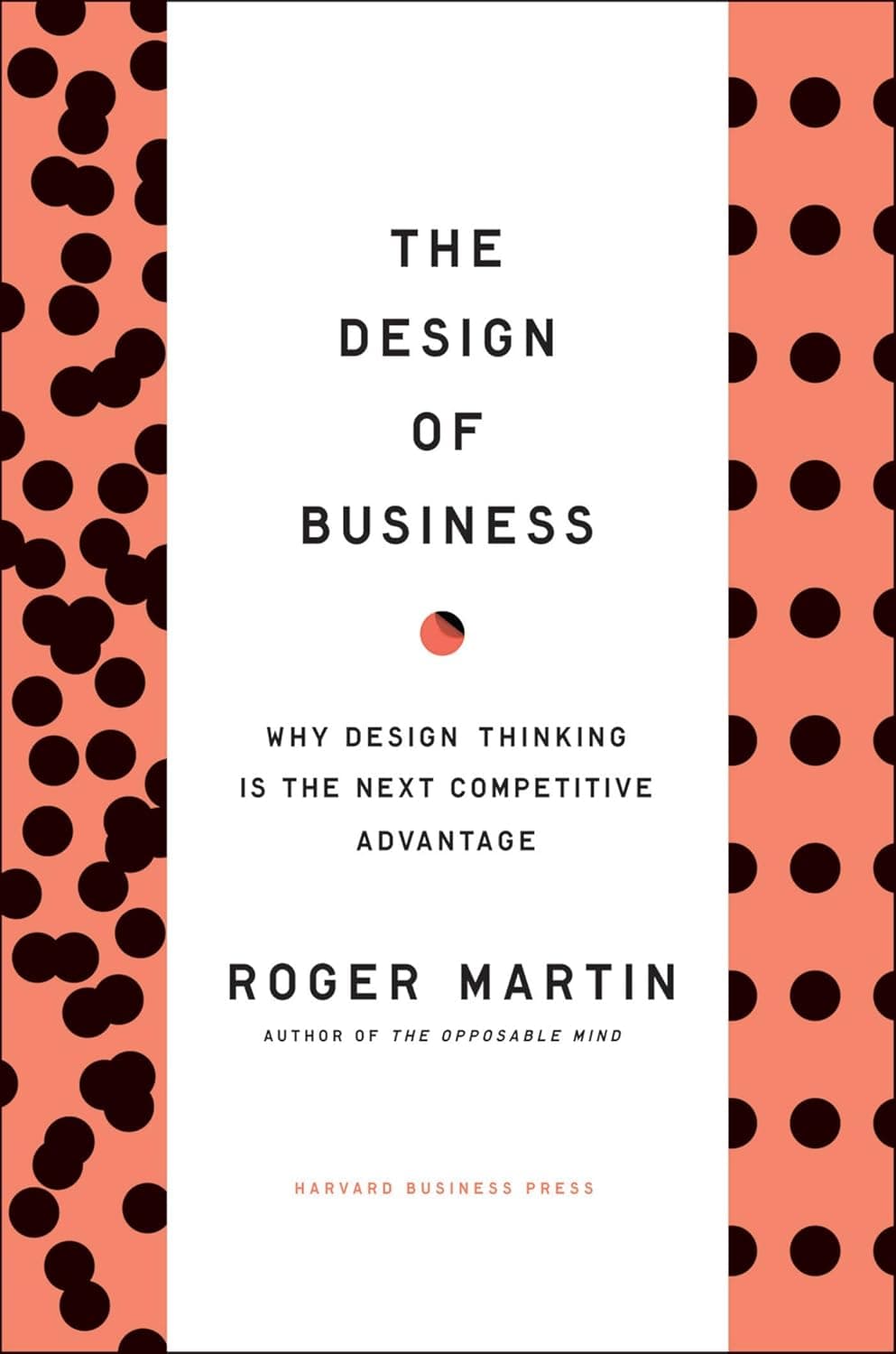
Cover of The Design of Business

Roger L. Martin

The Design of Business

A strategy-focused argument for combining analytical thinking with design-led exploration. Use it to discuss organisational decision-making, while treating promised innovation or business outcomes as hypotheses rather than guarantees.

Find the book
19
Cover of The Design of Everyday Things

Donald A. Norman

The Design of Everyday Things

A foundational guide to mental models, signifiers, mapping, constraints, feedback and human error. Use these concepts to diagnose an interface, then verify the diagnosis with the people and contexts involved.

Find the book
20
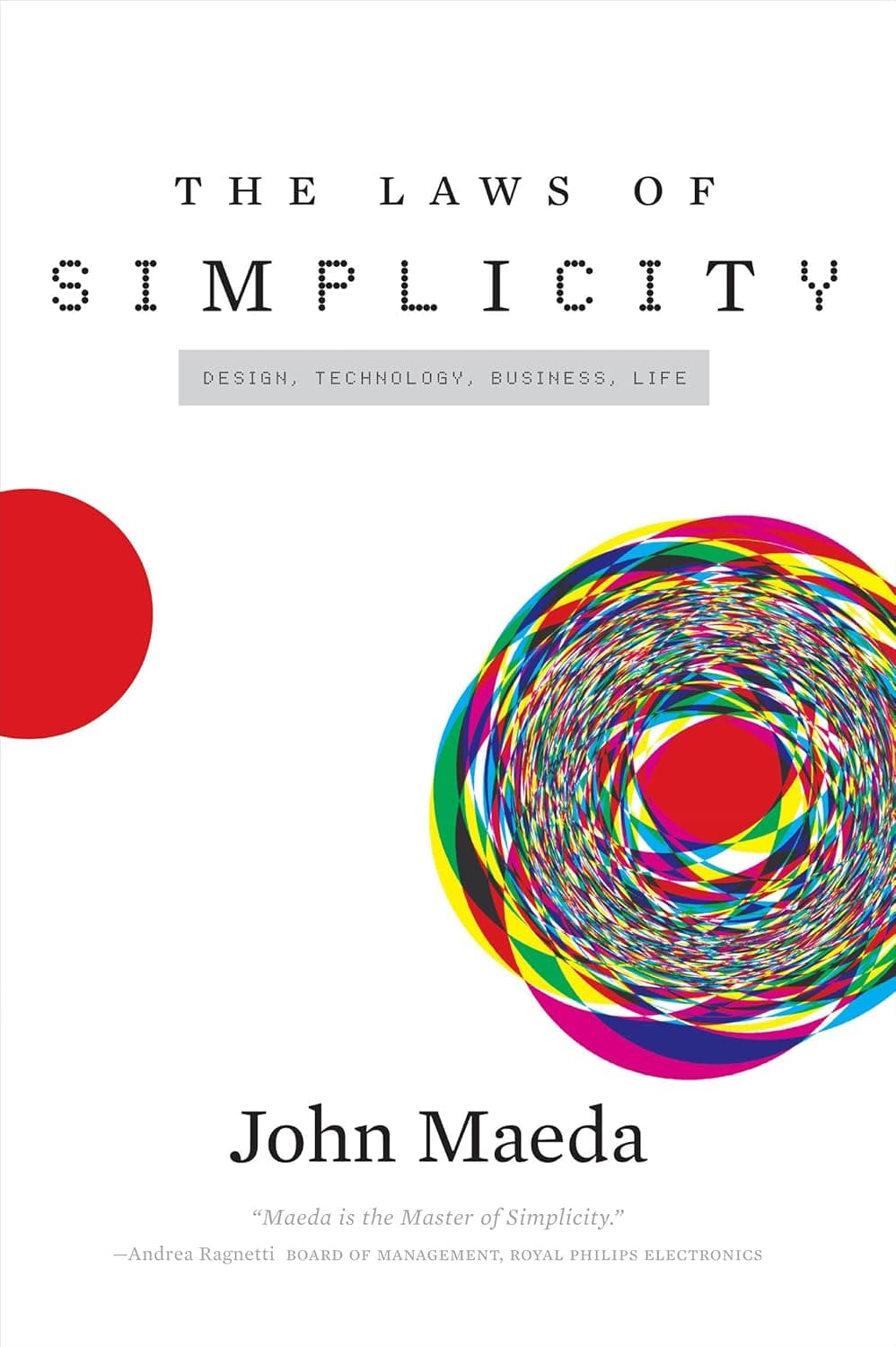
Cover of The Laws of Simplicity

John Maeda

The Laws of Simplicity

Ten short principles for thinking about simplicity, organisation, time and meaning. Treat them as prompts for trade-offs: removing detail can help, but it can also hide choices, costs or consequences.

Find the book
21
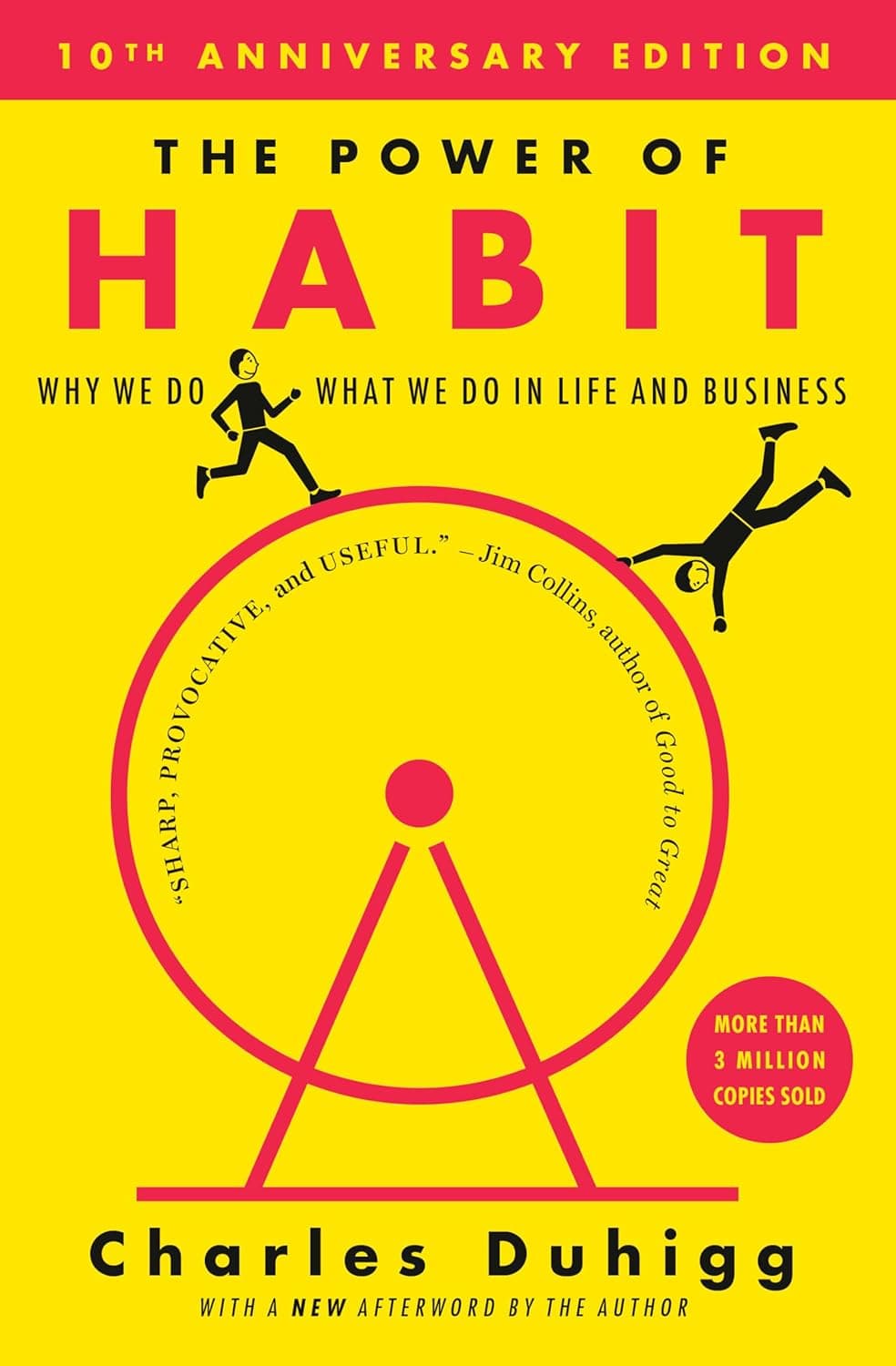
Cover of The Power of Habit

Charles Duhigg

The Power of Habit

A narrative account of cue–routine–reward ideas in personal, organisational and social change. It is not direct evidence that the same loop explains product use, and it should not be used to engineer compulsive behaviour.

Find the book
22
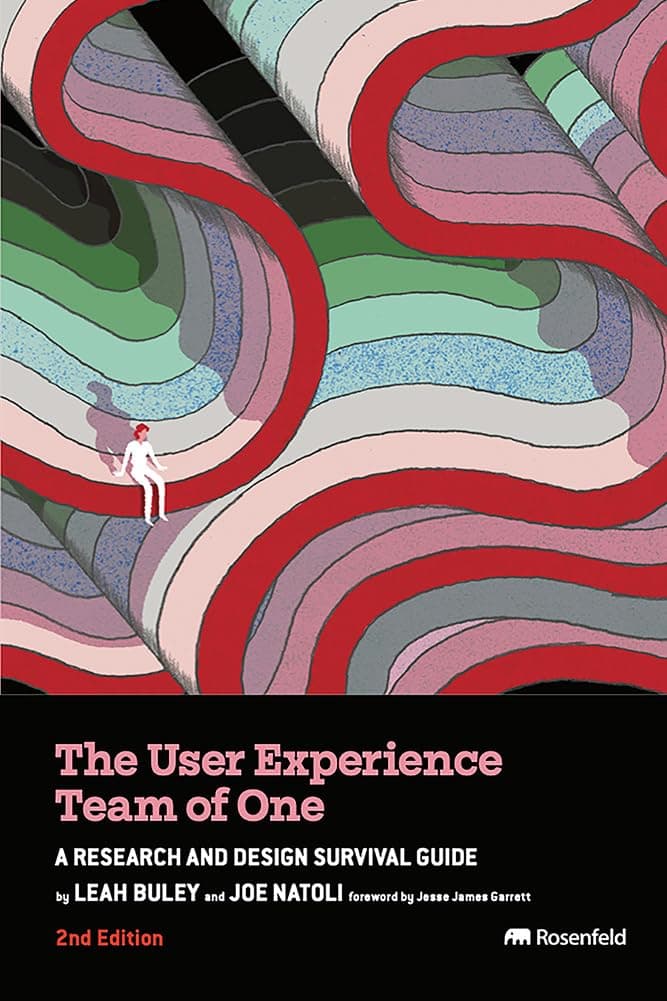
Cover of The User Experience Team of One

Leah Buley

The User Experience Team of One

Practical methods for doing useful UX work when time, support or headcount is limited. Adapt the toolkit to your organisation, and do not let a solo role become a substitute for involving users and affected groups.

Find the book
23
Cover of The UX Book

Rex Hartson & Pardha Pyla

The UX Book

A comprehensive textbook covering UX processes, methods, evaluation and interaction design. Use it as a reference for the stage you are in; its depth makes it better for structured study than a quick answer.

Find the book
24
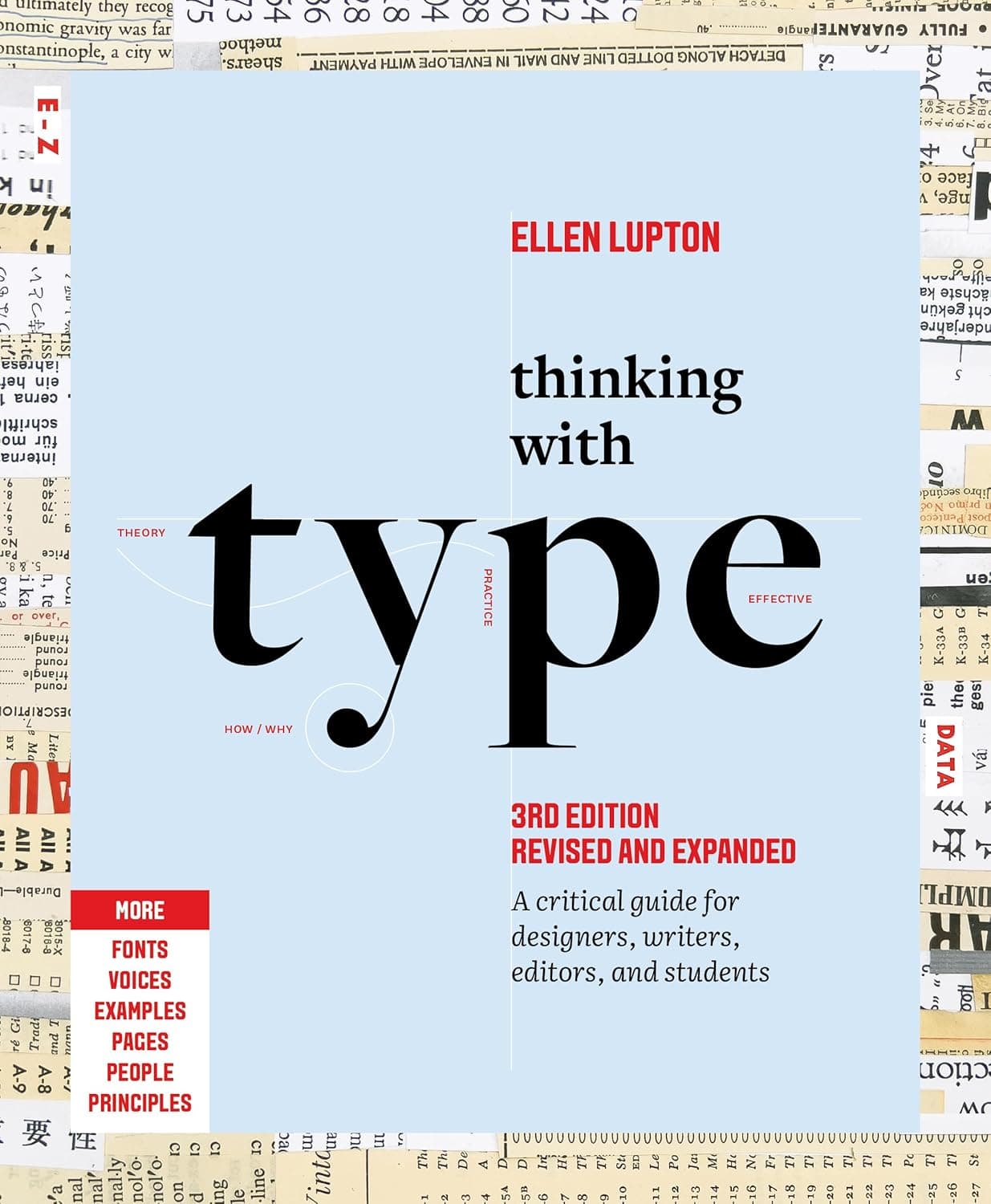
Cover of Thinking with Type

Ellen Lupton

Thinking with Type

A practical foundation in type selection, hierarchy, spacing and readable composition. Apply its visual principles alongside accessibility checks and the needs of the languages, scripts and devices you support.

Find the book